Coral Care content is reviewed and approved by our clinical professionals so you you know you're getting verified advice.
Find effective support for developmental delays, quickly.

Concerned about your child's development?
Our free screener offers guidance and connects you with the right providers to support your child's journey.
Holiday travel is filled with excitement, but it can also be a challenging experience for children who struggle with sensory sensitivities, emotional regulation, transitions, or frustration tolerance. Airports, long car rides, unexpected delays, loud noises, and new environments all place extra demands on a child’s nervous system.
Many parents describe their children as becoming “different kids” when traveling. This is completely normal. Travel disrupts routines, removes comfort items, and adds uncertainty. With a little preparation, you can support your child through travel in a way that feels calmer and more predictable for everyone.
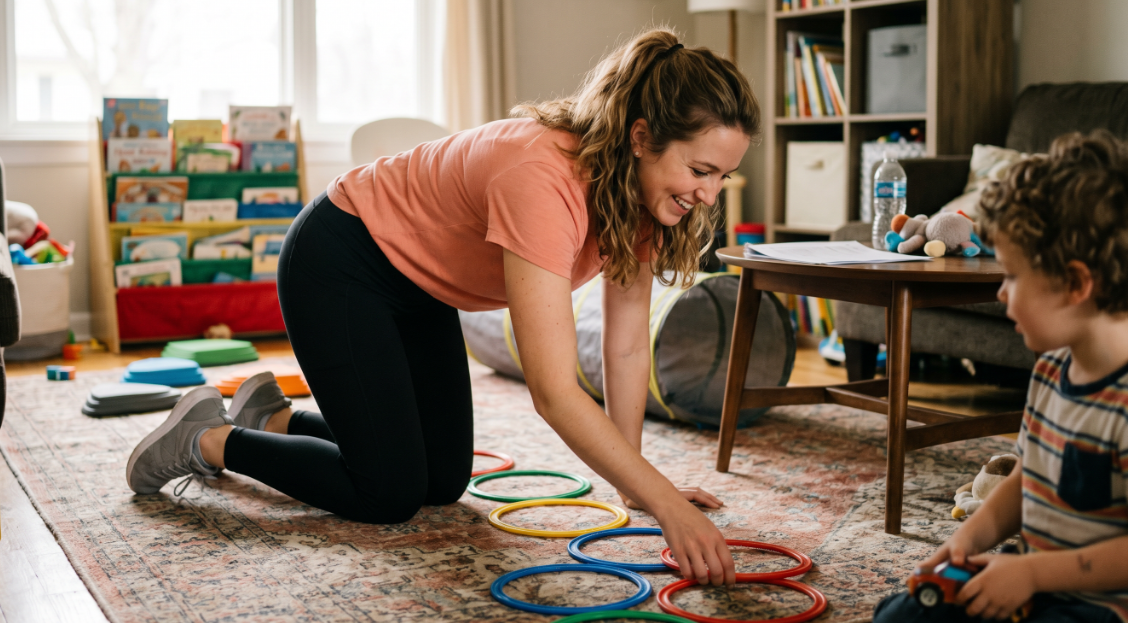
Prepare your child by practicing the travel day through play
Kids feel safer when they know what to expect. Practicing ahead of time reduces fear, increases cooperation, and builds confidence.
Ways to practice:
• pack a small backpack together
• pretend to “go through security” at home
• walk around the house with suitcases
• practice waiting by setting a 2 minute timer
• try on headphones or a weighted lap pad
• watch a short video about flying or road trips
These small steps give kids a mental map of the day, lowering anxiety and making the experience more familiar.
Build a personalized travel toolkit
A travel toolkit gives your child predictable comfort in unpredictable environments. It does not need to be large. A few carefully chosen items can make the entire trip smoother.
Ideas for your toolkit:
• fidgets or pop-its
• chewable jewelry
• headphones or ear defenders
• a favorite stuffed animal or blanket
• protein rich snacks
• sticker books
• a small notebook and markers
• a laminated visual schedule for travel
• play dough or therapy putty
Kids rely on these items to regulate their bodies and emotions. Always keep the toolkit accessible, not packed at the bottom of a suitcase.
Plan for movement, even in tight spaces
Kids process stress through movement. Expecting young children to sit still for long periods often leads to overwhelm.
Ideas for movement, depending on the situation:
At the airport:
• walk the terminal together
• climb stairs instead of using escalators
• do wall push-ups
• play “I Spy” while walking
During car trips:
• stop every 60 to 90 minutes for a movement break
• race to a landmark before returning to the car
• do animal walks in a safe area
• stretch or wiggle before getting back in
Even brief bursts of movement help lower stress hormones and increase cooperation.
Use simple language to preview sensory expectations
Children do better when they understand what sensations they might experience. Previewing these moments helps them feel prepared.
Examples:
• “Airplanes can be loud. Headphones will help.”
• “Sometimes we wait a long time in lines. We can look for shapes or colors while we wait.”
• “Your seatbelt might feel tight, but it keeps you safe.”
• “The bathroom on the plane is small. We can practice taking turns.”
Clear, calm explanations reduce fear and help children stay regulated when the unexpected happens.
Re-establish familiar routines when you arrive
Once you reach your destination, recreate as much consistency as possible. Kids settle faster when they recognize patterns from home.
Ideas:
• bring familiar pajamas
• read the same bedtime book
• use a travel sound machine
• create a small calm-down space
• keep mealtimes and bedtime consistent
These small routines serve as emotional anchors in a new environment.
When travel brings new challenges into focus
It is common for parents to notice certain behaviors more clearly during high-demand situations like holiday travel. You may see:
• difficulty with transitions
• sensory overload
• emotional outbursts
• frustration during unexpected changes
• challenges with communication
• motor skill limitations
• trouble following directions in busy settings
These are often signs that your child may benefit from extra support in building sensory, communication, or regulation skills.
If you want clarity, Coral Care offers a free developmental screener, along with in-home OT, SLP, and PT services across Chicago, Boston, Dallas, and other regions.
Take the screener or book an evaluation
Or call or text: 617-463-9342
Holiday travel will always have surprises, but with preparation, predictable routines, and the right tools, your child can feel more confident and supported. You know your child best. With thoughtful planning and gentle flexibility, you can create a travel experience that feels calmer and more connected for your whole family.
Frequently Asked Questions
Noise-canceling headphones, preferred fidgets, a weighted lap pad, familiar snacks with known textures, a visual schedule for the trip, and any sleep aids your child uses at home. The goal is to carry enough of your home environment to give the nervous system anchors in an unfamiliar place. Ask your OT for a travel-specific sensory kit recommendation.
Preparation and predictability are your biggest tools. Walk your child through the itinerary in advance, bring familiar sensory tools and comfort items, build in buffer time so transitions aren't rushed, and identify a quiet retreat option at your destination. For kids with significant sensory or regulation challenges, shorter travel days and scheduled breaks matter more than maximizing activities.
.avif)