
Coral Care content is reviewed and approved by our clinical professionals so you you know you're getting verified advice.
Find effective support for developmental delays, quickly.

Concerned about your child's development?
Our free screener offers guidance and connects you with the right providers to support your child's journey.
Two Great Options, One Important Decision
When your child is referred for physical therapy, one of the first decisions you'll face is where sessions should happen. Some families picture a bright, equipment-filled clinic. Others imagine a therapist coming to their living room. Both are legitimate settings for pediatric PT, and neither is universally "better." The right choice depends on your child's age, their specific needs, and your family's situation.
Let's break down what each setting offers so you can make an informed choice.
What In-Home PT Looks Like
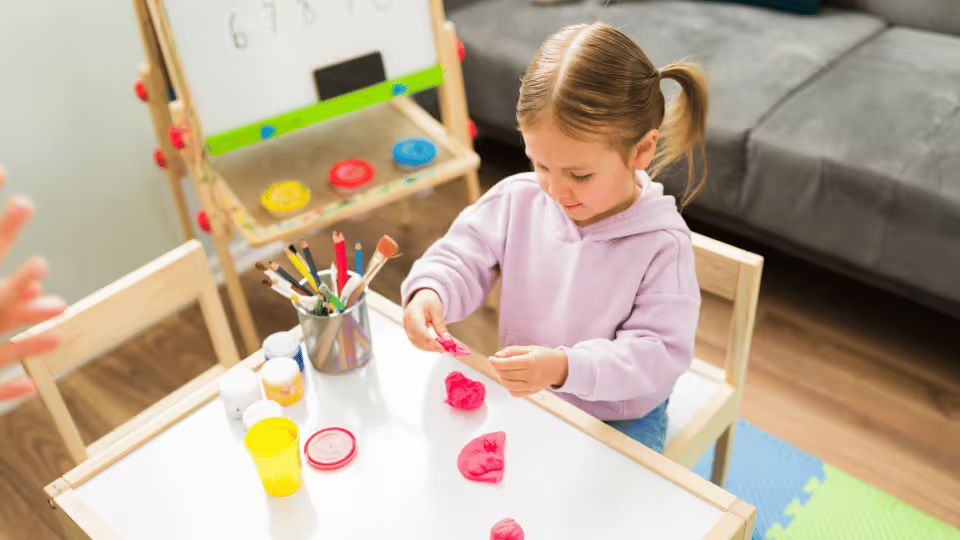
In-home PT means a licensed pediatric physical therapist comes to your house and conducts sessions in your child's natural environment. The therapist brings portable equipment and uses your home's existing setup (furniture, floors, stairs, outdoor space) as the therapy environment.
The advantages of in-home PT:
Natural environment. Your child is most comfortable at home, which often means they're more cooperative and willing to try new things. The PT also gets to see how your child moves in the spaces where they spend most of their time, which gives valuable information about real-world function.
No travel. For families with young babies, multiple children, or limited transportation, eliminating travel is a significant benefit. No loading the car, no fighting traffic, no arriving at a clinic with a cranky, overstimulated child. Sessions start when the therapist walks through your door.
Direct carryover to daily life. When your PT shows you an exercise using your couch, your stairs, or your child's favorite toy, you're much more likely to remember and repeat it between sessions. The home program feels immediately practical because it's already built into your space.
Family involvement. Siblings, grandparents, and other caregivers can easily observe and learn from in-home sessions. This means more people in your child's life understand how to support their development.
The limitations of in-home PT:
Less specialized equipment. A home doesn't have therapy swings, climbing walls, therapy balls of every size, or obstacle course setups. A good in-home PT can improvise creatively with household items, but some children benefit from equipment that simply can't be replicated at home.
Distractions. Pets, siblings, TV, familiar toys, and the doorbell can all pull your child's attention away from therapy. Some kids have a harder time focusing in their own space because it's associated with play, not work.
Space requirements. You'll need a reasonably clear area for the therapist to work. It doesn't have to be large, but a cluttered room makes therapy harder.
What Clinic-Based PT Looks Like
Clinic-based PT takes place in a dedicated therapy space, usually a pediatric clinic designed specifically for children. These spaces often feature colorful equipment, sensory-friendly design, and tools specifically chosen for therapeutic purposes.
The advantages of clinic-based PT:
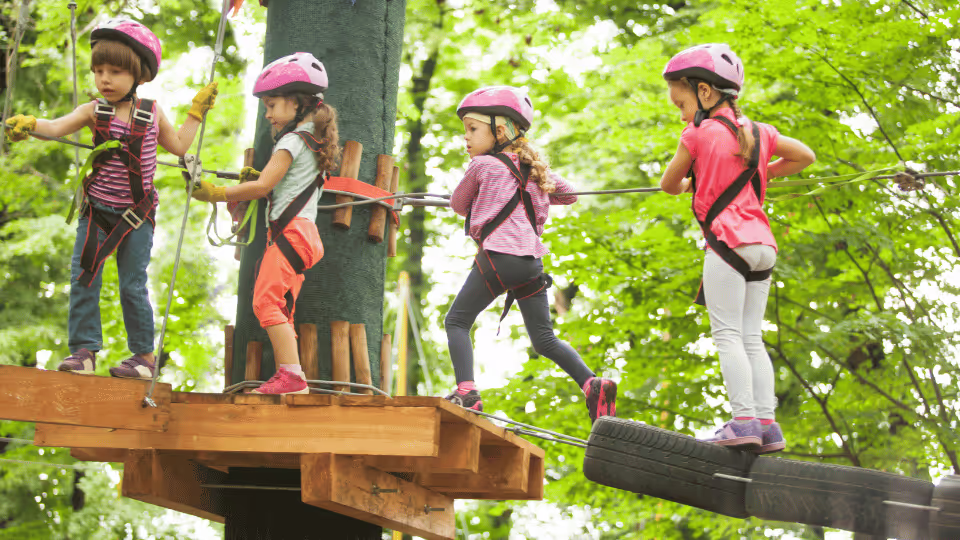
Specialized equipment. Clinics have therapy swings, bolsters, balance beams, climbing structures, suspension equipment, aquatic therapy pools (in some facilities), treadmills sized for children, and much more. This equipment can make therapy more effective and more fun for certain goals.
Novel environment. For some children, the novelty of going to a special place for therapy helps them focus and try harder. The clinic is "their" space where they do "their" work, and this separation from home can support a therapy mindset.
Peer interaction. In some clinic settings, children may see other kids doing therapy, which can be motivating. Some clinics also offer small group sessions for specific skills like balance or coordination.
Fewer distractions. The clinic environment is designed for therapy, with distractions minimized. There are no siblings, pets, or household interruptions competing for your child's attention.
The limitations of clinic-based PT:
Travel and logistics. Getting to and from appointments takes time, and for families with complicated schedules, this can make consistent attendance challenging. Traffic, parking, and weather add additional friction.
Less carryover to home. Skills learned in a clinic don't always transfer immediately to the home environment. A child might climb confidently on clinic equipment but struggle with the stairs at home because the context is different.
Unfamiliar setting. Some children, especially very young ones or those with sensory sensitivities, may be overwhelmed by a new environment and not perform at their best during early sessions.
Which Setting Is Better for Which Ages?
While there's no hard rule, here are some general patterns:
Birth to 12 months: In-home PT is often ideal. Babies do best in familiar settings, and much of infant PT involves teaching parents how to handle, position, and play with their baby. Having this instruction happen in your actual home, with your actual baby gear, makes it more practical and effective.
12 months to 3 years: Either setting can work well. Toddlers who are mobile benefit from the space and equipment a clinic offers, but they can also make great progress at home. Consider your child's temperament: does novelty excite them or overwhelm them?
3 years and older: Clinic settings often shine at this age because children are ready for more complex activities that benefit from specialized equipment. They also tend to enjoy the social aspect of going somewhere for therapy and seeing other kids.
Questions to Ask When Deciding
As you weigh your options, consider these questions: How does my child respond to new environments (excited or overwhelmed)? Would eliminating travel make it easier for us to attend sessions consistently? Does my child need specialized equipment that wouldn't be available at home? Are there other caregivers at home who would benefit from watching sessions? How important is it for the PT to see my child's home environment?
The Coral Care Approach
At Coral Care, we offer both in-home and clinic-based pediatric PT because we believe families should have the option that works best for them. When you contact us, we'll discuss your child's needs and your family's preferences to help determine the best setting.
Some families start with in-home PT and transition to clinic-based as their child gets older. Others do the reverse. And some stick with one setting throughout. There's no wrong answer, and you can always adjust as your child's needs change.
Get matched with a pediatric PT who can discuss the best therapy setting for your child and your family's needs.
Frequently Asked Questions
The biggest advantages are that your child is most comfortable and cooperative in their own space, there's no travel with a cranky overstimulated child, exercises carry over directly to daily life because the PT uses your real furniture and toys, and siblings, grandparents, and other caregivers can easily observe and learn to support your child. The main limitation is that a home lacks the specialized equipment of a clinic.
Neither is universally better; the right choice depends on your child's age, needs, and your family's situation. In-home PT happens in your child's natural environment, where they're most comfortable and cooperative, with no travel and direct carryover to daily life since the PT uses your actual couch, stairs, and toys. The main tradeoff is less specialized equipment than a clinic, which has therapy swings, climbing walls, and a full range of gear.