How It Works


Our Therapies


Resources
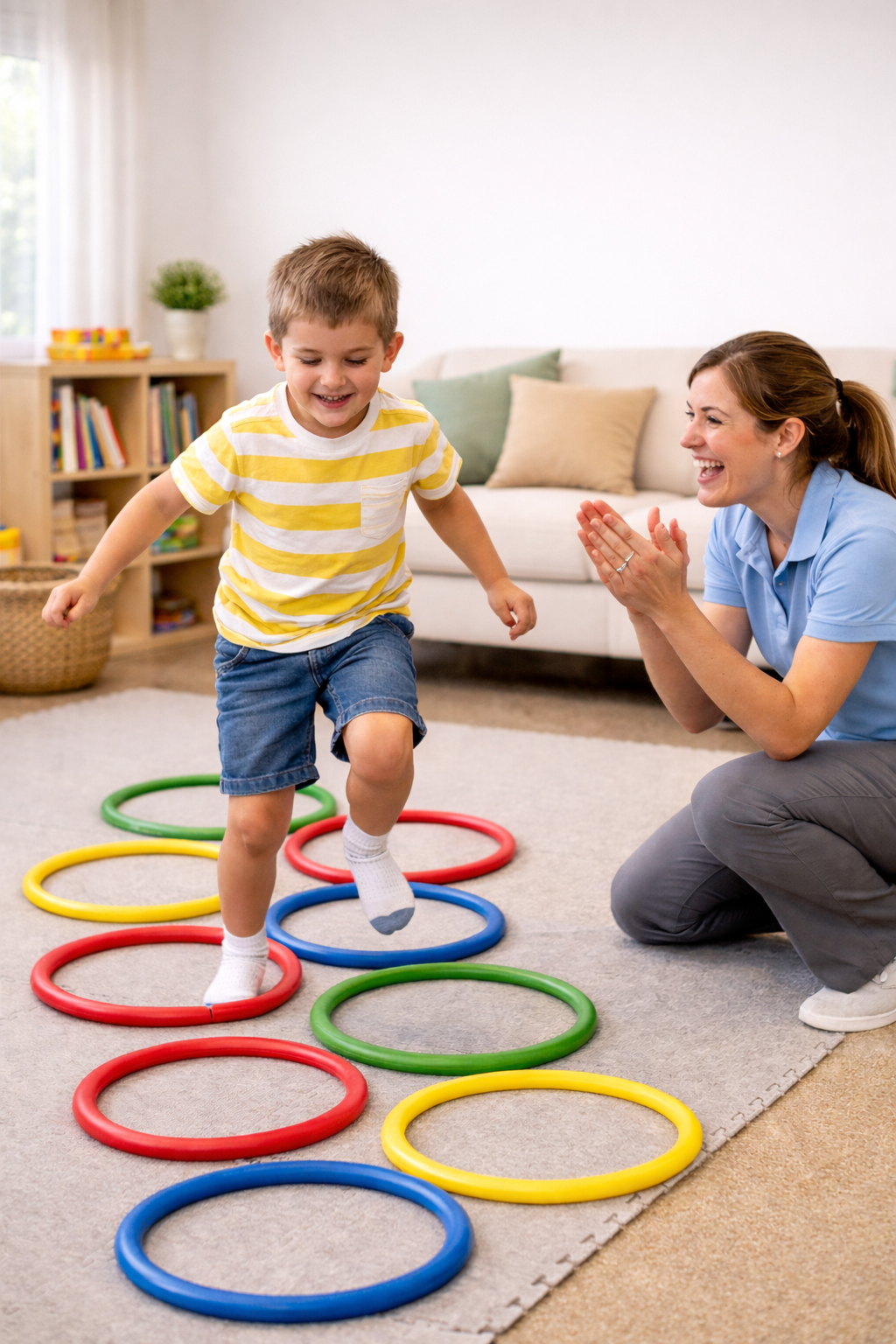
Some children struggle with balance, coordination, and physical confidence. In-home physical therapy builds the strength, coordination, and courage they need to play with peers, navigate their world, and develop a healthy relationship with movement.
Understanding Gross Motor Delays
All children develop at different rates, but when a child is consistently falling behind on motor milestones, is clumsy or uncoordinated for their age, or avoids physical activity while peers move confidently, that suggests a gross motor delay that benefits from intervention.
Here's what families often notice:
Walked significantly later than 18 months or walks with instability even now. Avoided crawling or climbing. Seems physically hesitant or fearful on their feet.
Struggles with balance — can't walk a line, stumbles easily, clumsy movements. Can't ride a bike even with training wheels. Uncoordinated running or jumping. Trips frequently or moves stiffly.
Won't go down slides, climb on equipment, or swing. Stays on the sidelines at recess. Avoids or gives up quickly on physical challenges. Seems frustrated or discouraged with movement.
Slower running speed than age-mates. Can't participate in group games or sports. Gets left behind on group activities. Feels embarrassed or isolated because of physical limitations.
You Don't Need to Wait
DCD (Developmental Coordination Disorder) is a formal diagnosis, but many children with significant gross motor challenges don't meet the full diagnostic criteria. They still struggle with coordination, balance, and physical confidence in ways that affect their participation in normal childhood activities.
Physical therapy doesn't require a diagnosis. If your child is noticeably behind on motor milestones, clumsy, or avoids physical activities their peers enjoy, a PT can evaluate them and start building strength and coordination right away.
Whether your child has a formal DCD diagnosis, autism, cerebral palsy, or no diagnosis at all — if gross motor skills are lagging and affecting their participation in play and peers, physical therapy can help. We build strength, coordination, and confidence from where they are now.
Tired of watching them struggle physically? Let's build their confidence.
Find a Physical TherapistBy Age
Gross motor development looks different at every age. Here's what families commonly see — and where physical therapy makes the biggest impact.
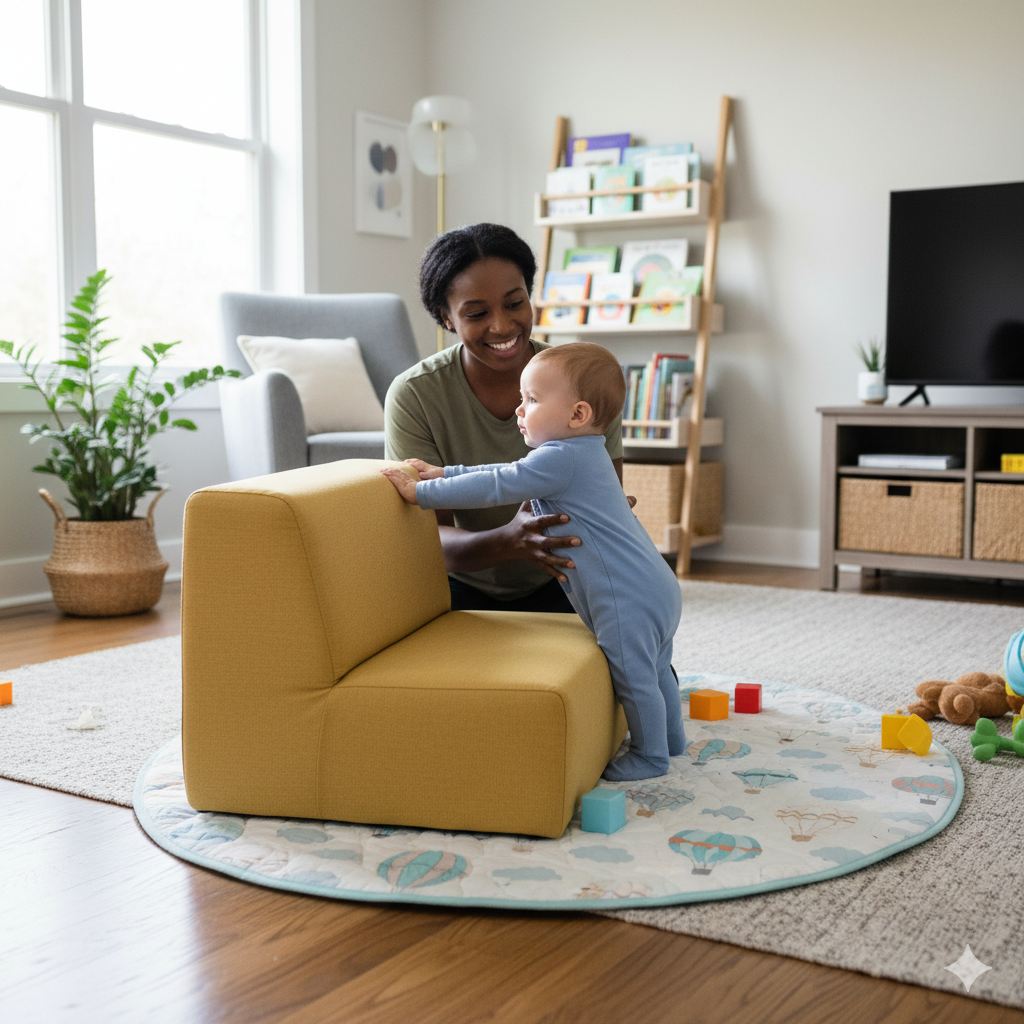
Didn't walk by 18 months or walks unsteadily now. May crawl or move using alternative methods. Seems physically cautious or fearful about upright movement.
Won't climb on low structures. Doesn't explore playground equipment. Seems fearful of heights or uneven surfaces. Prefers to stay at ground level.
Falls much more frequently than peers. Movements seem jerky or uncoordinated. Difficulty with simple movements like kneeling or transitioning between positions.
Doesn't chase, jump, or run energetically like peers. Prefers quiet play. Can't or won't participate in typical toddler physical play. Gets tired quickly.
Running is awkward or slow. Can't jump effectively or with control. Doesn't like jumping or running games. Gets picked last in physical activities.
Stands on sidelines rather than playing. Can't play tag, jump rope, or participate in group games. Feels isolated during physical activities.
Still clumsy or uncoordinated for their age. Poor balance — struggles on one foot or with uneven surfaces. Difficulty with coordinated movements like throwing or kicking.
Hasn't learned to ride a bike. Can't do age-appropriate sports or physical skills. Struggles with activities peers do without thinking (climbing stairs, jumping down, maintaining balance).
Can't participate in team sports or complex motor activities. Gross motor coordination delays compound with age when peers become more athletic. Feels left out and discouraged.
Years of feeling clumsy or uncoordinated have created avoidance. May avoid physical activity entirely. Self-esteem suffers from feeling "bad at sports" or "uncoordinated."
Can't participate in active hangouts with peers — hiking, skateboarding, dancing, sports. Physical limitations become increasingly socially isolating as peers become more active.
Avoidance of physical activity limits independence and social participation. May avoid activities that require coordination or physical confidence, limiting life experiences.
See something familiar? Let's build their physical confidence.
Get StartedHow We Help
PT builds the strength, balance, coordination, and confidence that allow kids to move, play, and keep up with peers.
Physical therapy for gross motor delays focuses on building the strength, balance, coordination, and motor planning your child needs for age-appropriate movement. Your PT works in your home and community, practicing the actual movements and environments your child will encounter — stairs, playgrounds, sports. We build confidence through success, not force.
For children whose gross motor challenges relate to coordination, motor planning, or fine motor skills affecting overall physical function.
For children whose motor planning difficulties affect speech, eating, or oral motor function alongside gross motor delays.
Most families start with physical therapy. Some add OT or speech therapy as coordination develops.
Find the Right FitOur Philosophy
Kids who've struggled physically often feel scared or discouraged. We create an environment where movement feels safe and achievable. We celebrate small improvements and build confidence through real accomplishments, not forced challenges.
If they can't run, we don't make them run. We start with what their body can do and build from there — strength, balance, and confidence grow together.
Therapy isn't punishment for being behind. We use play, games, and their own interests to build skills. When movement is fun, kids engage and improve.
Parents learn which activities build skills and how to encourage movement at home. Family outings become therapy opportunities. Your backyard becomes a gym.
A few extra seconds of balance. A kick that goes a little farther. Learning to pump on a swing. We notice these victories and build from them.
Building physical skills at your child's pace.
Get Matched with a ProviderMovement skills are best built in real environments where kids actually move.
Your stairs, your yard, your neighborhood playground. The PT sees the real spaces your child navigates and works on skills in the actual environments that matter.
Parents see how to encourage movement, what activities build skills, and how to support your child between sessions. Family time becomes therapy time.
Therapy happens where your child actually plays. We work on the specific skills they need to participate with siblings and peers in real activities.
When your child learns to climb the backyard structure, jump from the porch, or keep up on a family walk — those are real, meaningful victories that build lasting confidence.
In-home therapy means skills your child can actually use.
Get StartedReal Progress
Here's what families experience with physical therapy.
From Our Families
"Watching our son go from being afraid of the slide to flying down it laughing — that moment changed everything. He's not afraid of his body anymore."
"Our PT didn't just work on his walking. She helped him understand his body and move with confidence. Now he keeps up with his sister and actually enjoys playing outside."
Common Questions
Late blooming exists, but when a child is significantly behind on motor milestones, clumsy, or avoids physical activity their peers enjoy at age 3+, it's worth an evaluation. A PT can assess whether it's just developmental variation or a true delay that benefits from intervention.
DCD is a neurodevelopmental condition involving significant difficulty with coordination and motor planning. Many children with coordination challenges don't meet full DCD criteria but still benefit greatly from physical therapy.
Yes. Gross motor delays can stem from many causes including low muscle tone, high muscle tone, cerebral palsy, neurological differences, or coordination difficulties. Physical therapy is effective regardless of the underlying cause.
Both. We build foundational gross motor skills, but also work toward the activities your child wants to participate in — sports, dance, skateboarding, hiking. Therapy is individualized to your child's goals.
Most children see meaningful progress within 2-3 months with consistent therapy. Major milestones like learning to ride a bike or keeping up in running games typically take 4-6 months of therapy.
Yes. Physical anxiety often goes hand-in-hand with motor delays. As children build real skills and experience success, confidence naturally grows. We create safe, achievable challenges that reduce anxiety and build courage.
In-home physical therapy for gross motor delays and coordination challenges — no diagnosis required. Real strategies that build strength, coordination, and the confidence to move and play.
Free to get started · Insurance verified before first visit · No diagnosis needed
