
Language & Communication
Why This Stage Matters
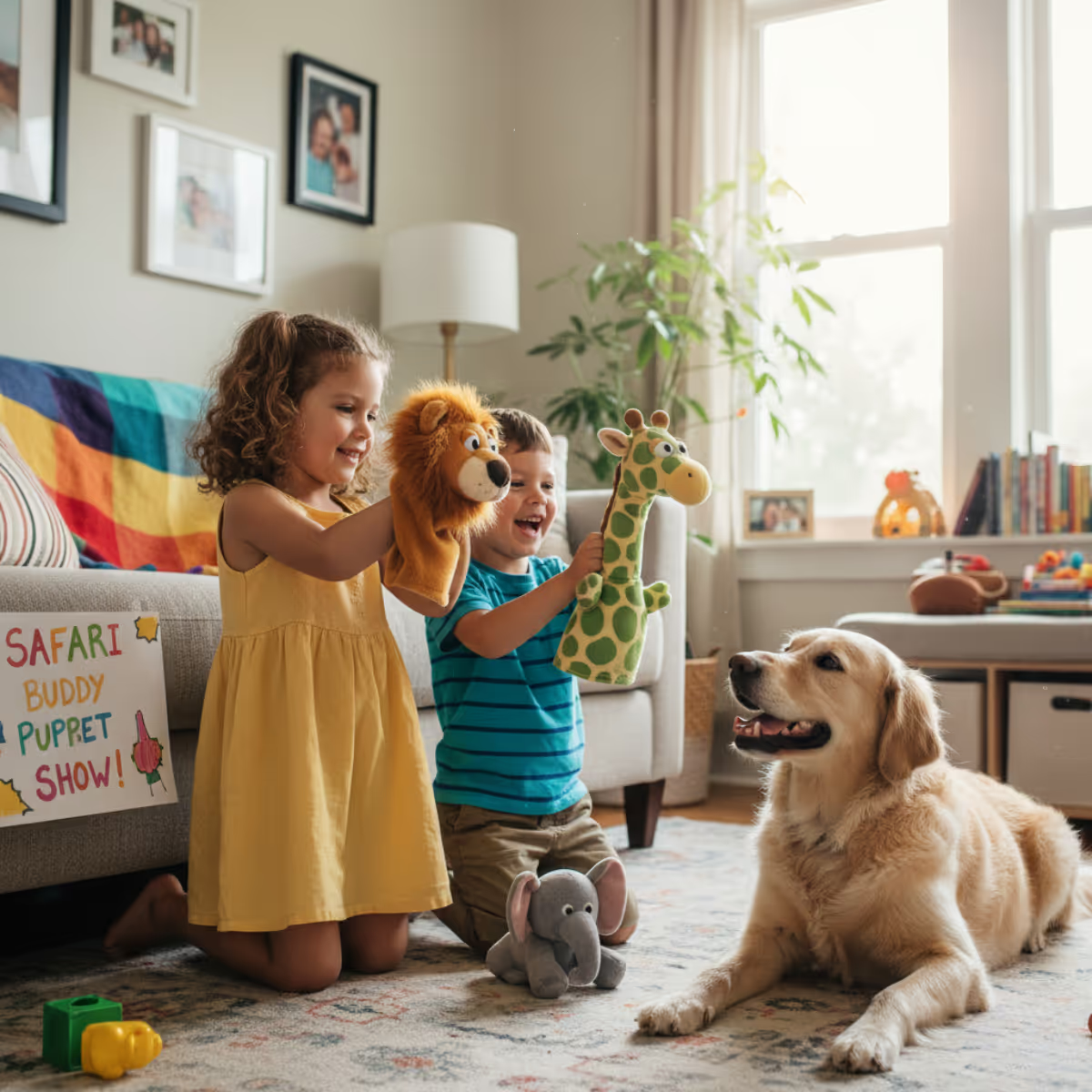
Language fuels connection, confidence, and learning. From babbles to storytelling, play that encourages words, turn-taking, and narrative skills builds lifelong communication.
Key Developmental Milestones



EXPERT INSIGHT
“Language blossoms through play. Toys that invite sounds, turn-taking, and storytelling help children grow their voices with confidence.”
LINDY, SLP



Find age-appropriate gifts that match your child's developmental stage

Find skill-appropriate gifts that match your child's developmental stage


Language & Communication
Why This Skill Matters
Language fuels connection, confidence, and learning. From babbles to storytelling, play that encourages words, turn-taking, and narrative skills builds lifelong communication.
Milestones
- 1 yr: Babbling, first words
- 2 yrs: Uses 2-word phrases
- 3 yrs: Speaks in short sentences, asks questions
- 4 yrs: Tells simple stories, asks “why” questions
- 5 yrs: Expands vocabulary, retells events in order
- 6–8 yrs: Reads simple books, explains ideas clearly
EXPERT INSIGHT
“Language blossoms through play. Toys that invite sounds, turn-taking, and storytelling help children grow their voices with confidence.”
LINDY, SLP
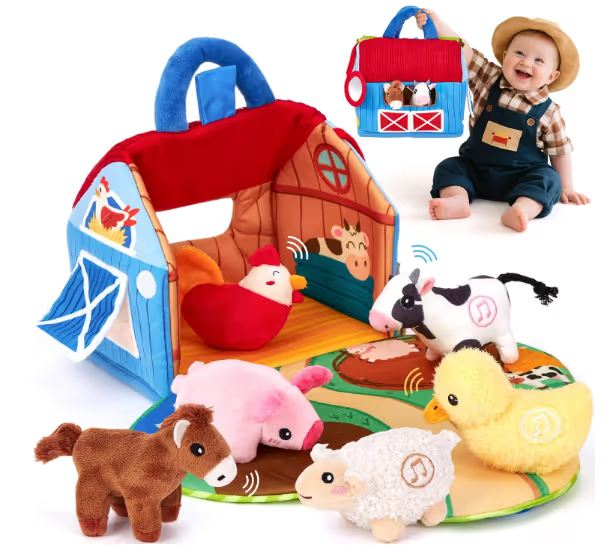
Hahaland Stuffed Farm Animals with Sounds
Recommended age:
1-2 years
Toddlers love lifting the barn doors to reveal animals and hear their silly sounds. They’ll giggle and repeat as they discover over and over again.
What kids learn through play:
Repeating animal names and sounds builds vocabulary. As kids imitate sounds, they strengthen their listening and speaking skills.
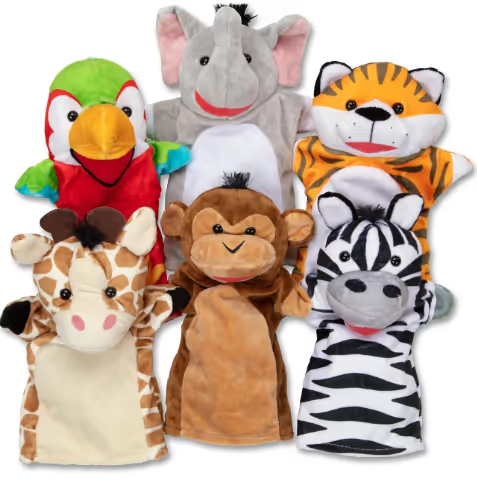
Melissa & Doug Safari Buddies Hand Puppets
Recommended age:
3-5 years
Kids light up when they bring soft puppets to life by giving them silly voices and making up new stories.
What kids learn through play:
Puppets support expressive language, dialogue, and storytelling. Acting out scenes helps kids process emotions and practice empathy.
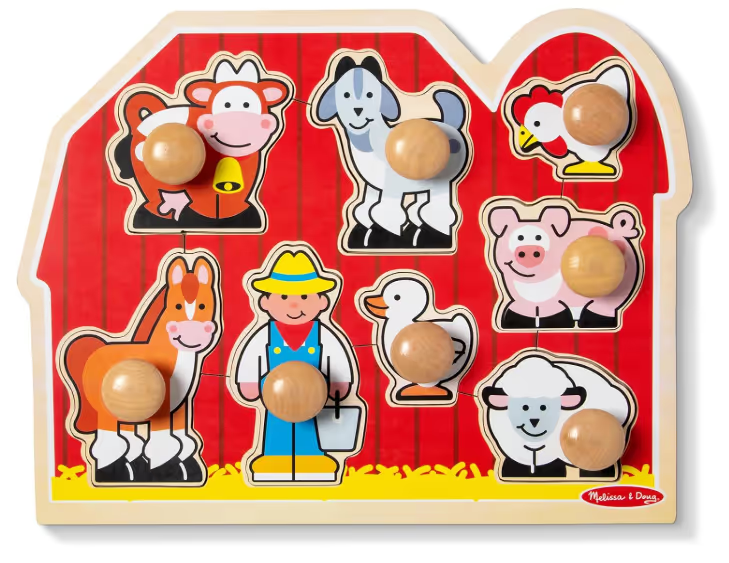
Melissa & Doug Wooden Farm Friends Puzzle
Recommended age:
2-3 years
With chunky pieces just right for little hands, kids love matching animals to their spots and proudly naming each one out loud.
What kids learn through play:
Naming animals and hearing you model language boosts vocabulary and object recognition.
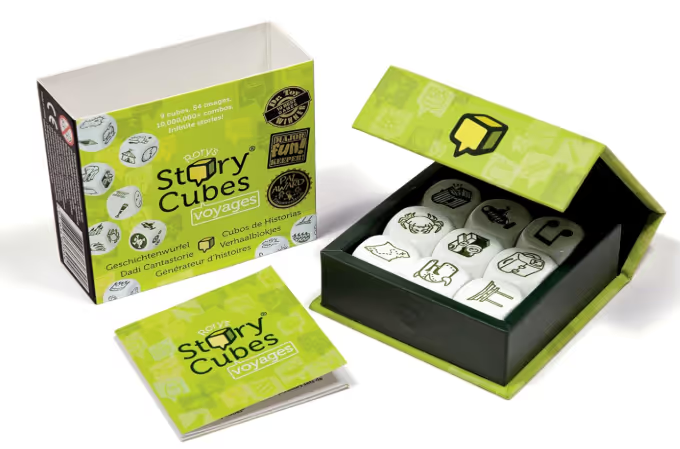
Rory's Story Cubes: Voyages
Recommended age:
5+ years
With a roll of the dice, kids dive into storytelling—linking pictures into wild, silly, or adventurous tales that grow with every turn.
What kids learn through play:
Story Cubes support sequencing, creativity, and expressive language. Taking turns and building on each other’s ideas helps kids stretch their imaginations and grow narrative skills.
Super Silly Mad Libs Junior: World's Greatest Word Game
Recommended age:
7-8 years
Kids can’t wait to fill in the blanks, then burst into laughter when their silly story comes to life.
What kids learn through play:
Mad Libs build parts-of-speech awareness, vocabulary, and grammar skills. Reading finished stories aloud boosts confidence.
Find age-appropriate gifts that match your child's developmental stage
Find skills-appropriate gifts that match your child's developmental stage