
Sensory Play Skills
Why This Stage Matters
Sensory play engages touch, sight, sound, and movement to calm the body, regulate emotions, and build learning pathways.
Key Developmental Milestones



EXPERT INSIGHT
“Sensory motor play helps to develop neurological development by establishing connections and pathways which are critical for overall daily functioning.”
Occupational Therapist




.avif)
Find age-appropriate gifts that match your child's developmental stage


Find skill-appropriate gifts that match your child's developmental stage

Sensory Play
Why This Skill Matters
Sensory play engages touch, sight, sound, and movement to calm the body, regulate emotions, and build learning pathways.
Milestones
- 1 yr: Explores textures, bangs toys
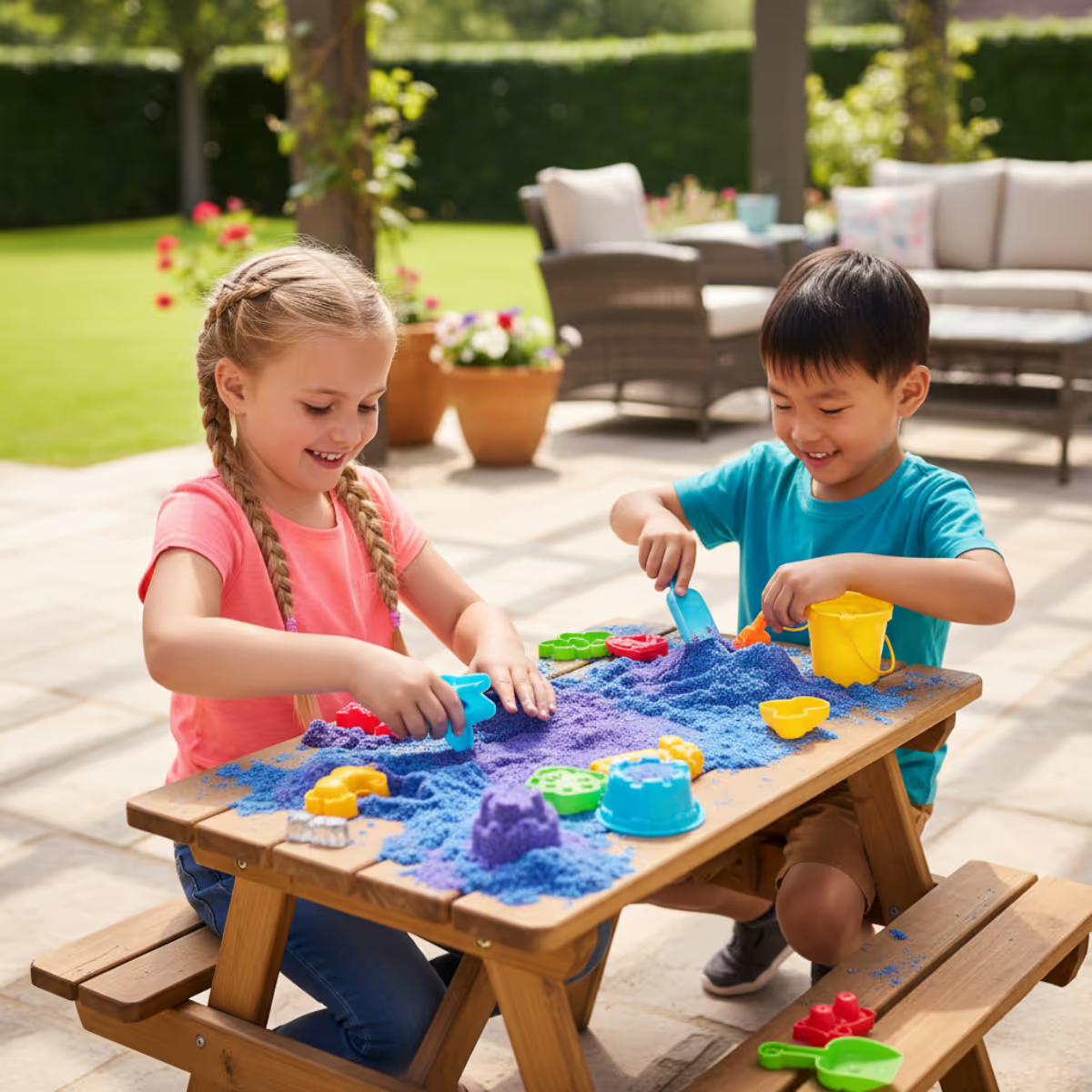
- 2 yrs: Enjoys messy play (water, sand)
- 3 yrs: Uses sensory tools (playdough, rice bins)
- 4 yrs: Begins sensory regulation (calming activities)
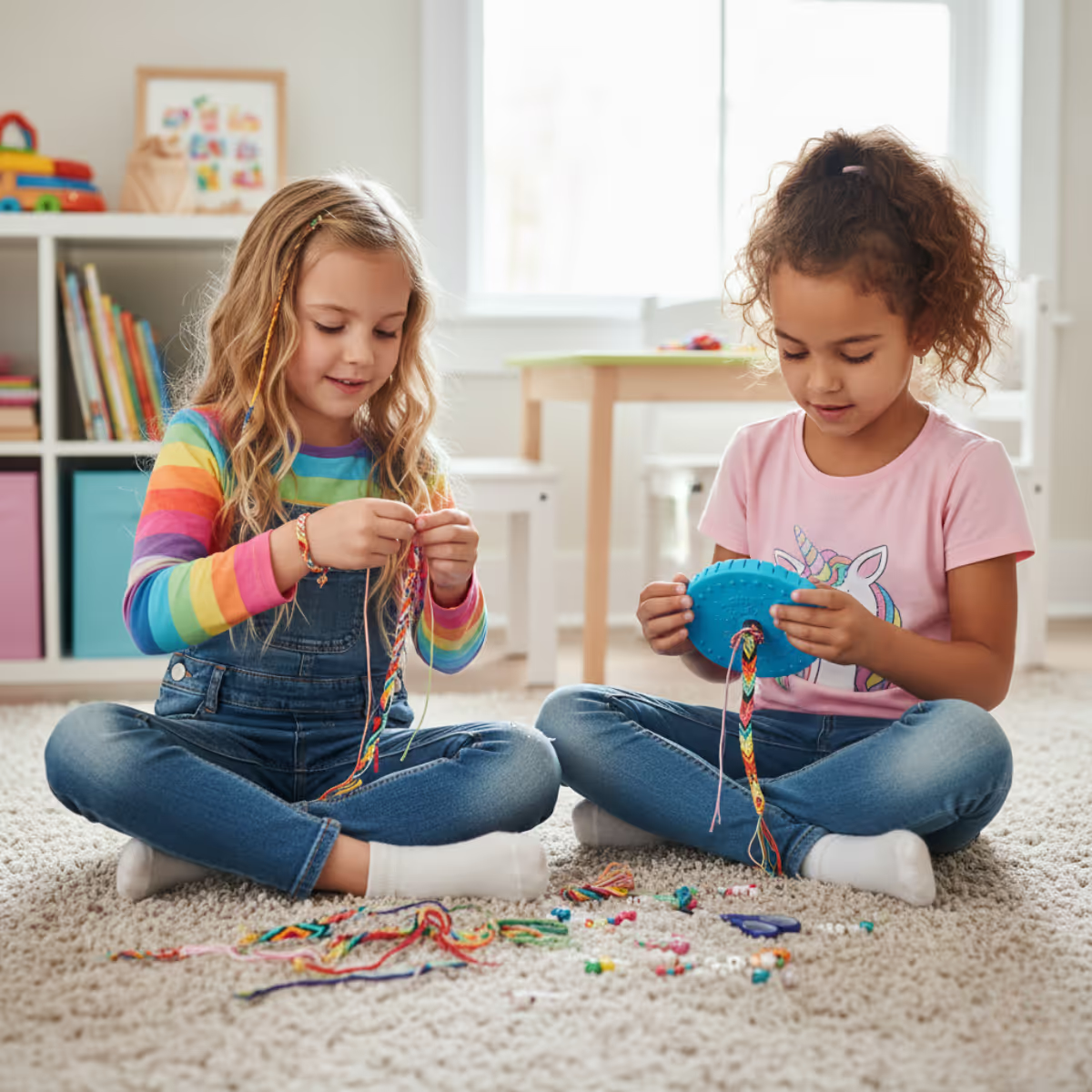
- 5-8 yrs: Explores more complex sensory experiences (crafts, tactile games)
EXPERT INSIGHT
“Sensory motor play helps to develop neurological development by establishing connections and pathways which are critical for overall daily functioning.”
Occupational Therapist
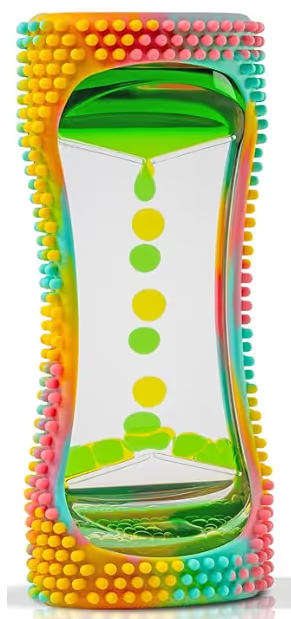
Bunmo Liquid Motion Sensory Toy
Recommended age:
5-8 years
Mesmerizing bottles filled with glowing liquid and floating pieces that swirl with every movement.
What kids learn through play:
Watching the gentle motion of sensory bottles supports visual tracking. They can also be used to guide breathing to build body awareness.
Educational Insights Playfoam
Recommended age:
3-6 years
Soft, squishy foam that never dries out—perfect for sculpting shapes, letters, or just squishing for fun.
What kids learn through play:
Molding Playfoam strengthens fine motor skills and finger coordination, laying the groundwork for writing.
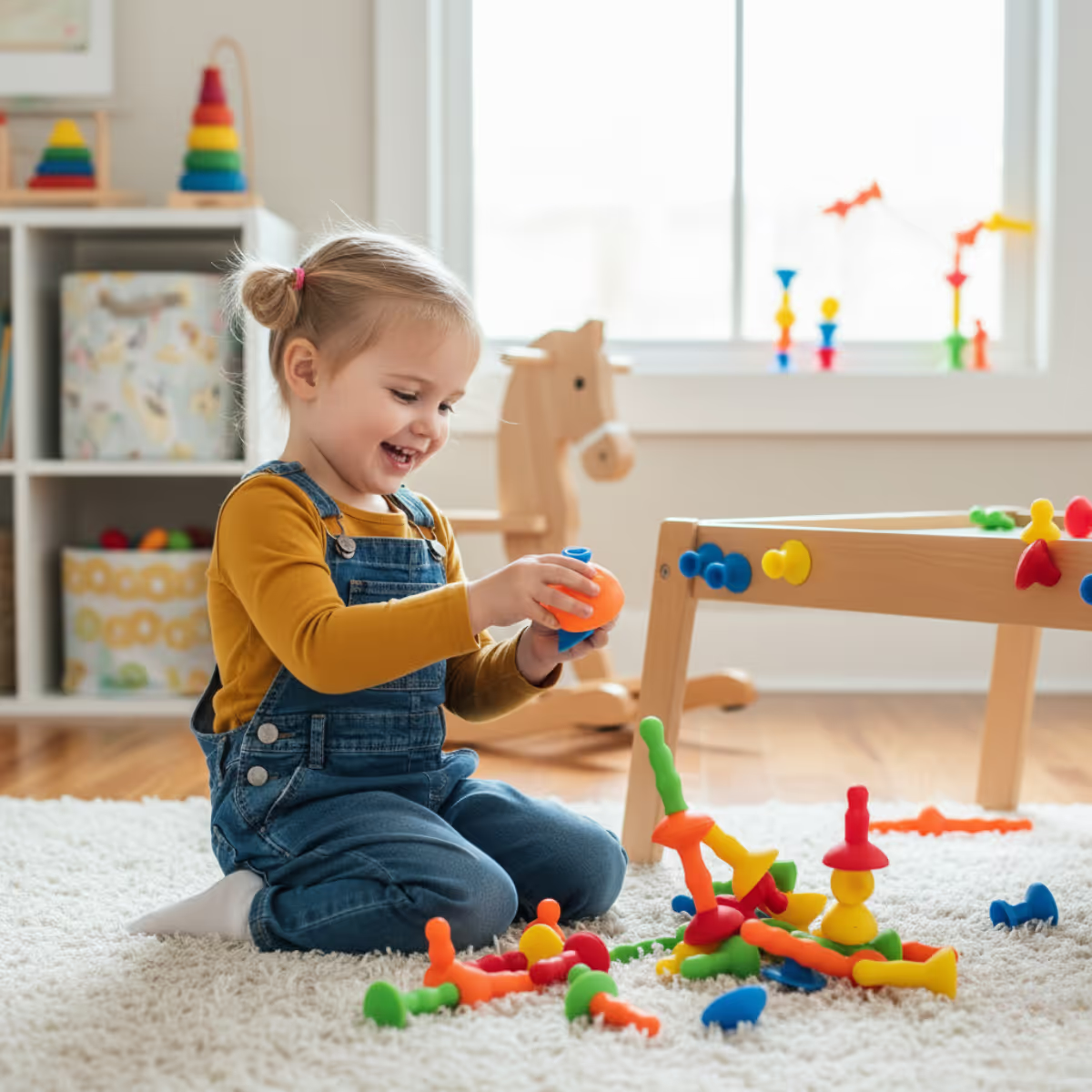
Fat Brain Suction Toys Kupz
Recommended age:
1-3 years
Kids love stacking, sticking, and pulling these colorful silicone cups off windows, tables, or the side of the tub. Plus a satisfying pop! every time.
What kids learn through play:
Encourages tactile exploration and imaginative building. The playful sounds and design invite repetition and creativity across different play settings.
Kinetic Sand: Ultimate Sandisfying Set
Recommended age:
2-5 years
Soft, moldable sand that flows through little fingers without making a mess. Perfect for open-ended sensory play at home or on the go.
What kids learn through play:
Kinetic sand provides a calming tactile experience that supports sensory regulation and focus. As kids pinch and mold, they build fine motor strength.
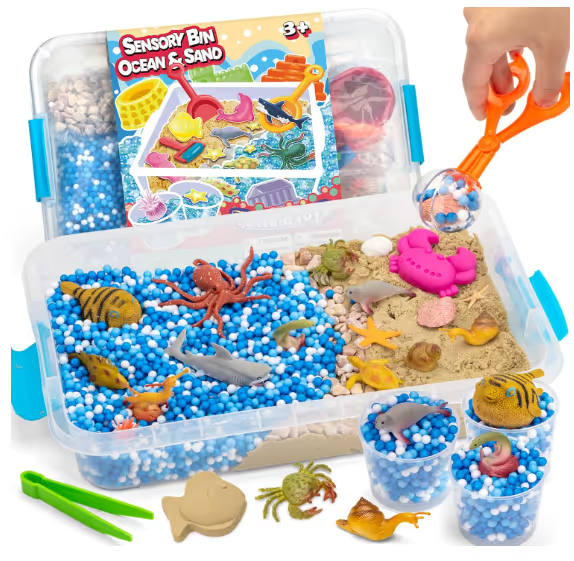
Ocean & Sand Sensory Bin
Recommended age:
3-5 years
Play with a bin full of squishy, colorful beads that invite endless scooping, pouring, and straining fun.
What kids learn through play:
Handling beads builds hand strength and coordination, especially when using tools like scoops and strainers.
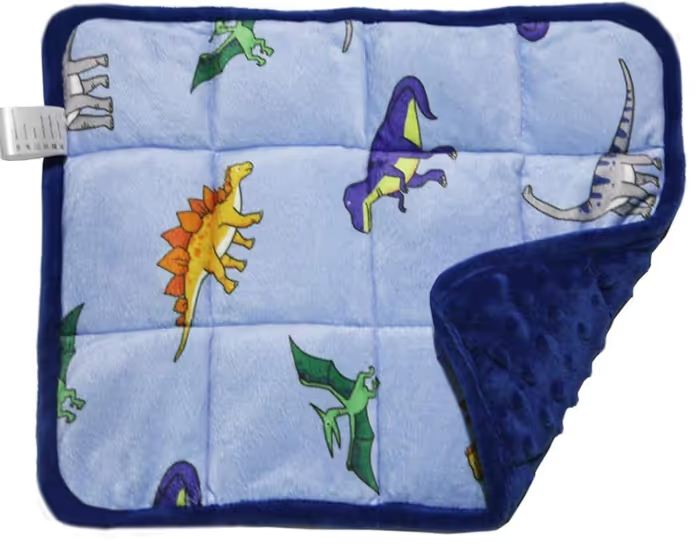
Weighted Lap
Recommended age:
4-8 years
A gently weighted pad that rests across a child’s lap, offering grounding support during seated activities.
What kids learn through play:
Deep pressure from the lap pad can help calm the body and support self-regulation. It can improve attention during quiet tasks.
Find age-appropriate gifts that match your child's developmental stage
Find skills-appropriate gifts that match your child's developmental stage