This is some text inside of a div block.

Often, no. In many cases you do not need a doctor's order to have your child evaluated, since direct access rules vary by state and discipline. Even where a referral helps with insurance, you can ask your pediatrician to provide one immediately rather than waiting, so the insurance authorization clock starts now instead of months later when an appointment opens up.

This is some text inside of a div block.

Make a few specific asks. Request that your concern be documented in the chart, since a documented concern creates a record and a record creates follow-up. Ask for the referral now even if you decide to wait, since a referral in hand costs nothing. And ask which providers actually have availability, because a referral to a clinic with a nine-month waitlist isn't really a referral.

This is some text inside of a div block.

Mobile Therapy Centers of America in Libertyville closed without warning, ending in-clinic, school-based, and daycare therapy services immediately, and many families have been unable to reach the company or get records released. Affected families can request records under HIPAA, work to keep progress from slipping during the transition, and start in-home therapy. Coral Care is a pediatric in-home provider serving Illinois with OTs, SLPs, and PTs available in Lake County.

This is some text inside of a div block.

Under HIPAA, your right to your child's records does not go away when a provider closes. You can request a copy of all evaluations, progress notes, plans of care, and discharge summaries. Send a written request (email is fine) to the clinic's last known contact, the CEO, and any clinical director whose name you have, and keep a copy of everything you send.

This is some text inside of a div block.

No. There are no sponsored placements on the Local List, and a business cannot buy its way on. A place earns a spot by doing right by kids across a range of needs: real developmental value, thoughtful access like quieter hours or a calm space to step away, a genuine welcome for children who learn and play differently, and a track record where families and therapists would return.

This is some text inside of a div block.

It means a place a pediatric therapist would actually send a family. Every listing on the Coral Care Local List comes from someone who works with kids, the OTs, SLPs, and PTs who work in homes across the cities served, plus the families they support. These are people who watch how children respond to noise, crowds, transitions, and new environments, so a recommendation means they've seen it work for a child.

This is some text inside of a div block.

Homeschooling gives you something most classrooms can't: the ability to control the environment. You can reduce noise, soften lighting, build in predictable routines, limit overwhelming transitions, and create a calm space to step away. Many families find their child stops melting down and starts engaging with learning once the sensory overwhelm is removed. An occupational therapist can help you tailor these strategies to your specific child.

This is some text inside of a div block.

Sensory processing is the brain's ability to take in information from the environment and the body, interpret it, and respond appropriately. When it runs smoothly, a child can focus on a lesson without being derailed by the hum of the refrigerator, a shirt tag, or the feeling of their feet on the floor. When it doesn't, which is more common than most people realize, those same inputs become distracting or distressing barriers to learning.

This is some text inside of a div block.

The most effective breaks use heavy work: activities that require muscles to push, pull, carry, or resist, which provide proprioceptive input that settles the nervous system far better than random movement. Think carrying books, pushing against a wall, or animal walks. Purposeful, body-engaging movement regulates arousal in a way that aimless wiggling doesn't.

This is some text inside of a div block.

Movement increases blood flow to the brain, activates the vestibular and proprioceptive systems, and helps children regulate their arousal level, the neurological state that determines whether they're ready to learn or checked out. For kids with motor delays, low muscle tone, ADHD, or sensory differences, sitting still for long periods is physiologically harder than for their peers, so building movement into the homeschool day meets their nervous system where it is rather than indulging them.

This is some text inside of a div block.

Speech-language therapy covers far more than pronunciation. Watch for speech that's consistently hard for unfamiliar people to understand, sound substitutions past the typical age (like "wabbit" for "rabbit" past 5 or 6), trouble following directions or understanding language, difficulty organizing and expressing thoughts, and social communication struggles. A child who goes quiet or stops trying because communicating is too hard needs support, not more time to catch up.

This is some text inside of a div block.

School-based therapy is funded under IDEA, which requires public schools to provide a free appropriate public education to children with disabilities, but that obligation is tied to enrollment. When you withdraw to homeschool, you step outside that system, so the speech, OT, and PT services in your child's IEP typically end. Understanding this before you switch lets you line up private in-home therapy so there's no gap in support.

This is some text inside of a div block.

Use your observations to point toward a discipline: language comprehension, expressive language, and social communication concerns point to speech; fine motor, handwriting, and regulation concerns point to OT; coordination and gross motor delays point to PT. If you're not sure, that's fine. Many families begin with one therapist who, after an evaluation, helps clarify whether additional support from another discipline is warranted.

This is some text inside of a div block.

Start by writing down what you're seeing in plain, everyday language rather than clinical terms, like "she cries when I ask her to hold a pencil" or "he trips constantly and seems unaware of where his body is." This helps point you to the right discipline (language and social skills to speech, fine motor and regulation to OT, coordination and motor delays to PT) and speeds up intake. If you're unsure, many families start with one therapist who clarifies after an evaluation.

This is some text inside of a div block.

Homeschooling families can access private speech therapists, OTs, and PTs who come to the home, work within the school day, and accept insurance. Because the school-based services tied to an IEP usually end when you withdraw, private in-home therapy is the most common way families keep their child's therapy goals supported with an actual team rather than going it alone.

This is some text inside of a div block.

Typically, you lose it. School-based speech, OT, and PT are funded under IDEA, the Individuals with Disabilities Education Act, and that obligation is tied to your child's enrollment in public school. When you withdraw to homeschool, you step outside the system and the services generally go with it, which is why many families end up managing their child's therapy goals on their own without a team.

This is some text inside of a div block.

In place of the old village, families lean on the people who still spend real time with children: teachers, pediatricians, and the occupational therapists, speech-language pathologists, and physical therapists who work with kids week after week. These professionals notice how a child responds to noise, transitions, and new places, and they carry a mental list of local spots that actually work. The challenge is that this knowledge usually lives in one therapist's head, shared one family at a time.

This is some text inside of a div block.

The old village did one thing really well: it filtered. A neighbor who'd been through it told you which preschool understood a spirited kid or which class was gentle with a nervous swimmer, and they had no reason to sell you anything. That trusted filtering is what's missing today, because search gives you volume rather than judgment, review sites are gamed, and the parents who could tell you the truth are scattered.

This is some text inside of a div block.

Because development is time-sensitive. The brain is most plastic in the first three to five years of life, and early intervention research consistently shows better outcomes for children who receive support sooner. A six-month wait isn't a neutral delay; for a young child, it's months of development happening during the window when intervention works best.

This is some text inside of a div block.

Families are genuinely waiting more than 13 weeks for pediatric specialty appointments including speech, OT, and PT, and in some cases closer to 20 weeks or longer. A March 2026 Children's Hospital Association report, Securing Kids' Futures, traced the cause to federal funding structures built around adult medicine, low Medicaid reimbursement that pushes therapists out of network, and an underfunded training pipeline, creating a pediatric workforce crisis.

This is some text inside of a div block.

A little preparation goes a long way. Talk through what will happen before you go and show photos of the place if you can, pack the tools that help your child stay regulated like headphones or a comfort item, and have a plan for a quiet break if your child needs to step away. Setting expectations ahead of time reduces the surprise that often triggers overwhelm.

This is some text inside of a div block.

You can learn most of what you need from a quick phone call or a careful look at a venue's website, asking about noise levels, lighting, crowd size, whether there's a quiet space to step away, and whether they offer dedicated sensory-friendly times. A place that answers these easily has usually already thought about your child. Sensory-friendly options show up across almost every part of family life once you start looking.

This is some text inside of a div block.

A sensory-friendly space respects how different kids take in the world. It usually means lower noise, softer or dimmable lighting, smaller crowds, predictable routines, and a quiet spot to step away. It doesn't mean a watered-down version of fun; the best sensory-friendly programs are simply designed so more kids can join in comfortably.

This is some text inside of a div block.

Social stories help with both. While the tool was developed for autism, research shows it also reduces anxiety, improves behavior during transitions, and builds confidence for kids with generalized anxiety who don't have a formal diagnosis. Any child who benefits from knowing exactly what to expect before a new or stressful situation can benefit from a well-made social story.

This is some text inside of a div block.

The best social stories are personalized: simple, clear language matched to the child's comprehension level, the child's own perspective and feelings, concrete coping strategies, and visuals that match the child's appearance and environment. Generic online stories often miss because the cartoon child and setting look nothing like your child's reality and the language is pitched at the wrong level. AI tools can help parents create personalized stories quickly.

This is some text inside of a div block.

A social story is a short, personalized narrative written from the child's perspective that describes a specific situation, event, or activity in a calm, concrete, reassuring way. Developed by Carol Gray in the early 1990s, it walks a child through what to expect before a new or stressful experience: what it looks like, what will happen, how they might feel, and what they can do. Research shows social stories reduce anxiety and improve behavior during transitions.

This is some text inside of a div block.

Pediatric OT supports skills that carry far beyond school: fine motor and handwriting, self-care and independence, attention and regulation, and the motor planning needed to organize everyday tasks. Because these are the building blocks of daily participation, the gains a child makes in OT tend to show up at home, at school, and in the wider routines of life.

This is some text inside of a div block.

Occupational therapy builds the underlying skills that show up across the school day and daily life, from fine motor and handwriting control to attention, regulation, and the ability to organize and complete multi-step tasks. Rather than drilling academic content, an OT strengthens the foundational abilities that make classroom participation and independent functioning possible.

This is some text inside of a div block.

Occupational therapists work from two directions. Top-down strategies help children develop cognitive tools to identify how they're feeling and what might help. Bottom-up strategies go directly to the sensory system through movement and other sensory input. A pediatric OT identifies what's overloading your child's system and builds regulation supports into daily routines, which is especially effective when coached in your real home environment.

This is some text inside of a div block.

According to pediatric OTs, behavior is usually the last thing to look at. A child who is dysregulated, has poor frustration tolerance, struggles with transitions, or can't sustain attention isn't choosing to be difficult; their nervous system is working harder than everyone around them. The underlying reason is usually sensory or motor in origin, so shifting from "my child is behaving badly" to "my child's sensory system is overloaded" changes how you respond.

This is some text inside of a div block.

Sensory regulation is the nervous system's ability to take in information from the environment and respond proportionately and functionally. A well-regulated child can shift between activities, tolerate unexpected textures or sounds, sit long enough to finish a task, and recover from frustration without a full meltdown. A dysregulated child finds all of that harder, not because they aren't trying, but because their nervous system is burning extra energy just managing the input.

This is some text inside of a div block.

Bring concrete observations rather than general worry. Note the specific movement or milestone concern, when you first noticed it, whether it's getting better, staying the same, or worse, your child's strengths and not just the gaps, whether others like daycare providers have noticed it, and ideally a short video clip showing the movement pattern. Specific, documented observations make it much easier for your pediatrician to act.

This is some text inside of a div block.

Lead with specifics, not emotions. Instead of "I'm worried about her development," try "She's 9 months old and can't sit independently, and I'd like to know if that's within the normal range or worth looking into." Before the appointment, write down what specifically concerns you, when you first noticed it, whether it's improving or worsening, and what your child can do. A 30-second video of the movement is especially powerful, since pediatricians only see your child briefly.

This is some text inside of a div block.

Yes, many families do both at the same time. Early Intervention has eligibility criteria that vary by state, with most requiring a 25% or greater delay or a qualifying diagnosis, so some children don't qualify for EI but still benefit from private PT. Others use EI for its free services while adding private PT for more intensive or specialized support. They can complement each other.

This is some text inside of a div block.

Early Intervention is a federally mandated program under IDEA Part C providing developmental services to children from birth to age 3 with delays or diagnosed conditions. It's free or low-cost in most states, delivered in the child's natural environment, and ends at age 3. Private PT is provided through a practice or clinic, paid by insurance or out of pocket, requires a doctor's prescription, and continues until your child meets their goals.

This is some text inside of a div block.

The biggest advantages are that your child is most comfortable and cooperative in their own space, there's no travel with a cranky overstimulated child, exercises carry over directly to daily life because the PT uses your real furniture and toys, and siblings, grandparents, and other caregivers can easily observe and learn to support your child. The main limitation is that a home lacks the specialized equipment of a clinic.

This is some text inside of a div block.

Neither is universally better; the right choice depends on your child's age, needs, and your family's situation. In-home PT happens in your child's natural environment, where they're most comfortable and cooperative, with no travel and direct carryover to daily life since the PT uses your actual couch, stairs, and toys. The main tradeoff is less specialized equipment than a clinic, which has therapy swings, climbing walls, and a full range of gear.

This is some text inside of a div block.

Generally, the younger a child is when PT starts, the faster progress tends to be, which is one reason early intervention matters. Timelines also depend on the condition and its severity, how consistently the home program is followed between sessions, and the child's specific goals. Some conditions, like cerebral palsy or Down syndrome, involve ongoing PT needs rather than a fixed endpoint.

This is some text inside of a div block.

It depends on age, diagnosis, severity, and goals, but there are realistic ranges. Infant torticollis often responds within 2 to 4 months, with mild cases resolving in 6 to 8 sessions. Mild to moderate gross motor delays often catch up in 2 to 8 months of weekly PT. Toe walking can take 3 to 12 months depending on cause. Low muscle tone is typically a longer course of 6 to 12 months with periodic check-ins, since tone is a characteristic rather than something that fully resolves.

This is some text inside of a div block.

Dress your child in comfortable, easy-to-move-in clothes, bring a favorite toy or two since the PT may use them, schedule for a time when your child is usually alert and in a good mood, and bring a snack since a hungry or tired child won't show their best. Providing detailed history beforehand (birth history, any diagnoses, other therapies) also helps the PT guide the assessment.

This is some text inside of a div block.

An evaluation is not a test your child can pass or fail; it's a comprehensive look at how your child moves, their strengths, and where targeted support could help. For babies and young children, it looks a lot like play. It usually starts with paperwork and a conversation about your concerns, then hands-on observation of your child's movement, strength, range of motion, and balance.

This is some text inside of a div block.

Not like a sterile gym with machines; pediatric PT looks like play. For babies, sessions might involve tummy time on various surfaces, gentle stretching during songs, supported sitting and standing with motivating toys, and balance work on therapy balls. For toddlers and older kids, it's obstacle courses, games, and movement challenges designed to build specific skills while keeping the child engaged.

This is some text inside of a div block.

It addresses a wide range of movement concerns: gross motor delays like late rolling, sitting, crawling, or walking; balance and coordination difficulties; muscle tone issues; torticollis and plagiocephaly; toe walking; flat feet; joint hypermobility; developmental coordination disorder; recovery from orthopedic injury or surgery; and motor challenges tied to conditions like cerebral palsy, Down syndrome, and autism. It also helps kids who aren't behind but move in ways that could cause problems later.

This is some text inside of a div block.

Pediatric physical therapy is a specialized branch of PT focused on helping children develop, recover, or improve movement and motor skills. Unlike adult PT, which often focuses on rehabilitation after injury, pediatric PT works with developing bodies and brains to build the foundational movement skills children need to explore, play with peers, and take part in daily life. Pediatric PTs are licensed therapists with additional training in child development.

This is some text inside of a div block.

Trajectory matters more than timing. A late bloomer keeps gaining new skills month over month, even if slower than peers; what raises a flag is a plateau, where the baby seems stuck at one level for weeks or months without advancing to the next skill in the sequence. Steady progress is reassuring; a stall is the signal to get an evaluation.

This is some text inside of a div block.

A late bloomer develops all the right skills in the right order, just on a slower timeline, with steady upward progress, typical muscle tone, motivation to move, equal use of both sides of the body, and typical development in other areas like language and social skills. A gross motor delay shows different patterns: plateaus where no new skills emerge, atypical tone, asymmetry, or delays that are part of a broader developmental picture.

This is some text inside of a div block.

By age band: at 0 to 6 months, difficulty lifting the head during tummy time by 3 to 4 months, always turning the head one way, stiffness or floppiness, or a flat spot. At 6 to 12 months, not sitting independently by 9 months, not rolling both ways by 7 months, no interest in crawling by 10 months, or using one side of the body much more than the other. Walking is the headline milestone for 12 to 24 months.

This is some text inside of a div block.

Two questions cut through most of it. First, is your child making steady progress, consistently gaining new skills even if on the slower side, or have they plateaued? Second, does something look or feel different about how your child moves, like feeling unusually floppy, moving asymmetrically, or walking differently from peers? A plateau, or a gut sense that something is off, means a PT evaluation is probably worthwhile.

This is some text inside of a div block.

Don't just wait. Call your pediatrician today for a referral and a written statement of medical necessity so insurance prior authorization (which can take two to four weeks) starts now. If your child is under 3, call Early Intervention, which is free, available in every state, and usually scheduled within a few weeks. And start a home practice routine like narrating your day, since six months of waiting at age two and a half is six months of language development time.

This is some text inside of a div block.

Demand for pediatric speech therapy surged after the pandemic, as children who spent key early language windows with less social interaction and more screen time now show up for support in higher numbers. At the same time, school-based SLPs are carrying two to three times the recommended caseload, and private practices can't hire fast enough. The shortage and the waitlists are real.

This is some text inside of a div block.

For the first session, home is often better than a clinic. Your child is already comfortable, surrounded by their own toys and routines, without the anxiety of a new building and waiting room. The SLP gets to see how your child communicates in the setting where they spend most of their life, which is clinical information a clinic visit can't replicate.

This is some text inside of a div block.

The SLP does two things: gathers information from you and observes your child directly. From you they'll want developmental history, the words and sounds your child uses at home, what motivates your child, family history of speech differences, and any ear infection or hearing history. From your child they assess expressive language, receptive language, social communication, oral motor skills, and voice, sometimes using standardized assessments.

This is some text inside of a div block.

For young children, mostly play. Your child won't sit at a table repeating sounds on command; they'll play with toys, look at books, blow bubbles, and stack blocks while the speech-language pathologist observes how they communicate. That play is a rich source of clinical information, letting the SLP assess expressive and receptive language, social communication, and speech sounds in natural contexts.

This is some text inside of a div block.

Ask less about word count and more about overall communication: Does your child understand what you say and respond to simple directions? Do they point to show or request things? Do they make eye contact and seem interested in connecting? Do they use gestures like waving or shaking their head? Strong comprehension and social engagement point toward a late talker; gaps across several of these point toward a broader delay worth evaluating.

This is some text inside of a div block.

Some do, but waiting is a real gamble. Many late talkers catch up by age 3, but research shows about half don't, and there's no reliable way to know in advance which group your child is in. Early support meaningfully improves outcomes regardless of whether a child would have eventually caught up, which is why a speech evaluation is worthwhile rather than waiting to see.

This is some text inside of a div block.

Roughly: by 18 months most toddlers have about 10 to 20 words, and by 24 months most have 50 or more and are starting to combine two words like "more juice." A late talker might have only 20 words at 24 months. These are reference points, not hard cutoffs, and how a child understands and connects matters more than the exact count.

This is some text inside of a div block.

The key difference isn't word count, it's overall communication. A late talker (18 to 30 months) uses fewer words than expected but understands what you say, makes eye contact, points, gestures, and engages socially. A speech delay means communication is developing more slowly across the board, often including comprehension and social communication, not just spoken words. A late talker has strong understanding and connection; a child with a broader delay shows gaps in multiple areas.

This is some text inside of a div block.

Common reasons are mostly benign: a cautious personality that wants to feel fully stable, efficient alternative mobility like fast crawling that reduces the motivation to walk, mild low muscle tone that lengthens the timeline, prematurity (milestones are judged by corrected age until age 2), and body proportions like a larger head requiring more balance work. Late walkers who are otherwise developing typically catch up completely.

This is some text inside of a div block.

The average first independent steps come around 12 months, but the normal range is broad, anywhere from 9 to 18 months. The CDC lists walking independently as a milestone to watch for by 18 months, so most pediatricians evaluate further if a child hasn't taken independent steps by then. Importantly, the age a child starts walking doesn't predict long-term athletic ability or intelligence.

This is some text inside of a div block.

Toddlers can cruise well but resist walking for several reasons: walking needs a different balance system and the confidence to let go of a stable surface, it demands more core and hip strength than cruising, foot and ankle stability matters, some kids are sensory-cautious about instability, and some are simply practical, sticking with cruising because it's faster than wobbly first steps. A PT evaluation is suggested if there are no independent steps by 15 months.

This is some text inside of a div block.

Babies typically pull to stand around 8 to 10 months, begin cruising around 9 to 12 months, and take first independent steps between 12 and 15 months, with the cruising phase usually lasting a few weeks to a couple of months. Some toddlers cruise much longer because the confidence to let go, or core and hip strength, takes longer than the cruising ability itself.

This is some text inside of a div block.

Most are normal: many babies find another way to get around like army crawling or bottom scooting, some have a strong preference for standing and go straight to cruising, and some simply didn't get enough floor time because of time in containers like bouncers and walkers. Less commonly, skipping crawling relates to low muscle tone, core weakness, or asymmetry, which is when a PT evaluation helps.

This is some text inside of a div block.

Not necessarily. Crawling is not a required milestone by the CDC or AAP and was removed from the CDC checklist in 2022, because many typically developing babies never crawl on hands and knees. Crawling does offer real benefits for shoulder, core, and hip strength and bilateral coordination, so it's worth understanding why your baby skipped it, but skipping it alone doesn't signal a problem.

This is some text inside of a div block.

Often, no, especially if your baby is moving another way like army crawling, bottom scooting, rolling, or pivoting, since those show motivation and foundational strength. Consider a PT evaluation if your baby shows no interest in moving at all, still struggles to lift the head during tummy time, moves asymmetrically using only one side, seems unusually stiff or floppy, or isn't sitting independently either, since two delayed milestones together is more meaningful.

This is some text inside of a div block.

Most babies crawl between 7 and 10 months, but the range is wide and many never crawl on hands and knees in the traditional way. The CDC removed crawling from its developmental milestone checklist in 2022 because of how much normal variation exists, so a 10-month-old who isn't crawling yet is not automatically behind, especially if they're moving in other ways.

This is some text inside of a div block.

Independent sitting requires more than core strength. It coordinates head control (holding a relatively heavy head steady), deep core activation across the trunk, hip stability and flexibility for a wide stable base, and automatic balance reactions that catch the baby when they start to tip. These righting and protective reactions develop through practice and are essential for safe, independent sitting.

This is some text inside of a div block.

Babies progress from supported sitting around 4 months, to sitting with minimal support around 5 to 6 months, to independent sitting for at least a few seconds by 6 to 7 months, to confident dynamic sitting by 8 to 9 months where they reach in all directions and move in and out of sitting on their own. Every baby has their own pace, but this is the general progression pediatric PTs use.

This is some text inside of a div block.

The clearest flag is no rolling in either direction by 6 months, especially paired with difficulty lifting the head during tummy time. Other reasons to check in include rolling only one direction past 6 to 7 months, a strong head-turn preference suggesting neck tightness, and stiffness or floppiness in the body. A pediatric PT can evaluate whether strength, tone, or asymmetry is involved.

This is some text inside of a div block.

Most babies roll tummy to back first, around 3 to 5 months, because gravity helps and it takes less core strength, then back to tummy around 5 to 6 months, which is harder and requires more coordination. By 6 to 7 months many roll both ways confidently and may use rolling to get around. The order matters less than eventually rolling both directions and using both sides of the body.

This is some text inside of a div block.

Common reasons include torticollis or neck tightness (since head turning starts a roll, tight neck muscles make one direction easier), trunk or core asymmetry, tightness in one hip that limits range of motion, a sensory preference for looking toward one side, and positional plagiocephaly where a flat spot makes rolling toward it mechanically easier. A pediatric PT can identify which is driving the pattern.

This is some text inside of a div block.

In the early days of rolling, around 4 to 5 months, a mild preference for one direction is common, just like adults favor a side rolling over in bed. The key distinction is preference versus inability: a baby who prefers one way but can roll the other when motivated differs from one who seems physically unable. By 6 to 7 months most babies roll both directions, so exclusive one-way rolling at that age is worth a check.

This is some text inside of a div block.

Tummy time doesn't have to mean your baby flat on the floor. Lying on your back with your baby on your chest counts, and so does the football hold, carrying them face-down along your forearm. A small rolled towel under the chest and armpits takes work off the neck and makes the position more comfortable while still building strength. These are all PT-approved ways to get the benefits with less crying.

This is some text inside of a div block.

Babies often protest because they're not strong enough yet and the position is genuinely tiring, because reflux or gas makes pressure on the stomach uncomfortable, because they're bored with nothing interesting to look at, or because they started tummy time late and aren't used to it. Understanding the reason points you to the right fix, and discomfort that seems like real pain rather than frustration is worth mentioning to your pediatrician.

This is some text inside of a div block.

Tummy time builds the neck, shoulder, core, and hip strength your baby needs for every major motor milestone, from rolling to crawling to walking. It also helps prevent flat spots on the head, develops upper body strength used later for fine motor skills, and gives your baby a new perspective that supports visual and cognitive development. It's worth the effort even when your baby protests.

This is some text inside of a div block.

Several factors can contribute: low muscle tone, core weakness, ankle or foot instability like flat feet or hypermobile joints, vestibular (inner ear) processing issues, visual processing difficulty affecting depth perception, and developmental coordination disorder. A pediatric PT evaluation watches how your child moves, assesses tone, strength, range of motion, and balance reactions, and identifies which factor is driving the falls.

This is some text inside of a div block.

Watch for falling that isn't decreasing after 3 to 6 months of walking, frequent falls on flat familiar surfaces, not catching themselves by 15 to 18 months, one leg seeming weaker or less coordinated, persistent toe walking, significant in-toeing or out-toeing that causes tripping, avoiding walking in favor of crawling, or falls that come out of nowhere. These patterns are worth a pediatric PT evaluation.

This is some text inside of a div block.

For new walkers, a lot. Toddlers learning to walk fall an average of 17 times per hour, and frequent falling in the first few months (roughly 12 to 16 months) is completely expected. What matters is the trend: normal falling decreases week by week, your child catches themselves with their hands, and their walking pattern matures with a narrower stance and lower arm position over time.

This is some text inside of a div block.

It depends on the curve, measured in degrees by the Cobb angle. Curves under 10 degrees are normal variation and usually need no treatment. Mild curves of 10 to 25 degrees are typically monitored with periodic X-rays during growth. Moderate curves of 25 to 40 degrees often warrant bracing to prevent worsening, and severe curves over 40 to 50 degrees may prompt a discussion of surgery if progressing during growth.

This is some text inside of a div block.

PT cannot cure scoliosis or straighten a curved spine, and it's important to have realistic expectations. What it can do is slow curve progression, especially combined with bracing, reduce associated pain, and improve posture and body awareness. Scoliosis-specific exercise approaches like the Schroth method and SEAS use targeted exercises for the specific curve pattern, and research shows they can reduce progression and improve posture.

This is some text inside of a div block.

The simplest home screen is the Adam's forward bend test: have your child stand facing away from you, feet together, and bend forward at the waist with arms hanging down. Look at their back from behind, and if one side of the ribcage or lower back is noticeably higher than the other, get it checked. Other signs include uneven shoulders, one shoulder blade sticking out, an uneven waistline, and one hip sitting higher.

This is some text inside of a div block.

Scoliosis is a sideways curvature of the spine that forms a C or S shape when viewed from behind. The most common type is adolescent idiopathic scoliosis, which typically appears during the growth spurt before puberty around ages 10 to 15 and affects about 2 to 3% of adolescents. Idiopathic means the cause is unknown, though there's likely a genetic component.

This is some text inside of a div block.

Gentle massage of the calves, thighs, and behind the knees during an episode helps, as does warmth from a warm bath or heating pad. A simple five-minute bedtime stretching routine for the calves, hamstrings, and quads can reduce how often episodes happen. Keep your child well hydrated, especially on active days, and validate that the pain is real.

This is some text inside of a div block.

See your pediatrician promptly if pain is consistently in only one leg, occurs during the day and limits activity, comes with swelling, redness, or warmth in a joint, is accompanied by fever, gets progressively worse, doesn't respond to massage or rest, or is localized to one specific spot over a bone. Growing pains are typically in both legs, come and go, and ease with comfort measures.

This is some text inside of a div block.

Despite the name, there's no evidence that bone growth itself causes the pain. The most widely accepted explanation is muscle fatigue from a day of running, jumping, and climbing, which is why very active kids tend to have more episodes. Tight calf and hamstring muscles, flat feet, hypermobility, a lower pain threshold, and possibly low vitamin D have all been associated with growing pains.

This is some text inside of a div block.

Growing pains are recurrent episodes of leg pain that typically occur in the late afternoon or evening and can wake a child at night, then disappear by morning. They affect an estimated 25 to 40% of kids between ages 3 and 12 and are a real physiological phenomenon, not made up. They usually affect both legs, most often the front of the thighs, calves, or behind the knees, with pain-free stretches in between.

This is some text inside of a div block.

Physical therapy for DCD is evidence-based and effective, and current research supports task-specific approaches, meaning therapy focuses on practicing the exact skills a child needs rather than generic exercises. A PT breaks complex movements into achievable steps, provides varied repetition, builds core strength and balance, and, crucially, rebuilds the confidence that kids with DCD often lose after repeated struggle.

This is some text inside of a div block.

No. DCD is not something children simply outgrow, and without intervention motor challenges tend to persist into adolescence and adulthood. The encouraging part is that DCD responds well to therapy: with task-specific physical therapy and support, children make significant improvements in motor skills, develop strategies for hard tasks, and build confidence. Early identification leads to the best outcomes.

This is some text inside of a div block.

In preschoolers, watch for delayed gross motor milestones, difficulty with self-care like dressing and utensils, clumsiness beyond what's typical, and trouble learning motor skills peers pick up easily. In school-age kids, signs include poor or slow handwriting, struggling in PE or sports, difficulty with scissors or tying shoes, frequent bumping and tripping, and fatigue during physical activity that doesn't tire other kids.

This is some text inside of a div block.

Developmental coordination disorder, sometimes called dyspraxia, is a neurodevelopmental condition affecting a child's ability to plan, coordinate, and execute physical movements. It's not about intelligence, motivation, or effort; the brain processes motor information differently. It affects an estimated 5 to 6% of school-age children, making it one of the most common motor conditions in childhood, though it's significantly underdiagnosed.

This is some text inside of a div block.

Generally no. Hypermobile kids are already flexible and don't need more stretching; the focus should be on strengthening instead. Swimming is often ideal because it builds muscle without high-impact joint stress, and climbing, martial arts, and modified yoga that avoids extreme ranges are also good. Gently cue your child to keep knees and elbows soft rather than locked, and believe them when they say something hurts after activity.

This is some text inside of a div block.

Physical therapy is the primary treatment for symptomatic hypermobility. The goal isn't to reduce flexibility, since you can't tighten ligaments with exercise, but to build the muscular strength and motor control that compensates for loose joints. A PT strengthens the muscles around hypermobile joints so they act as internal braces, trains proprioception, and teaches joint protection like not locking the knees or elbows.

This is some text inside of a div block.

Not usually. Many hypermobile kids have no symptoms and even excel at dance, gymnastics, or martial arts, where flexibility is an asset. Hypermobility on its own is not a diagnosis. It becomes a concern only when it causes symptoms like joint pain after activity, fatigue, frequent sprains, poor coordination, handwriting difficulty, or avoidance of physical activity.

This is some text inside of a div block.

Joint hypermobility means the joints move beyond their typical range because the ligaments are looser than average. It's very common in children, affecting an estimated 10 to 30% of school-age kids, and is more common in girls and younger children. It often runs in families. Most children with hypermobility have no symptoms and no problems; it only becomes a concern when it causes pain, instability, or functional difficulty.

This is some text inside of a div block.

Prioritize tummy time, which is the single best activity for building core, neck, and shoulder strength, starting with short sessions if your baby resists. Minimize time in bouncy seats, swings, and other containers that don't challenge the muscles, and maximize floor time. Encourage active play by holding toys slightly out of reach, and support your baby without doing the movement for them so they get to work against gravity safely.

This is some text inside of a div block.

Low muscle tone doesn't mean your child won't reach their milestones; it means they may work harder and reach them on a slightly different timeline. The most common type, benign congenital hypotonia, has no underlying neurological or genetic condition, and these children typically catch up to peers over time, especially with PT. Other causes range from genetic conditions to prematurity, so the outlook depends on the cause.

This is some text inside of a div block.

They're not the same. Muscle tone is the resting tension in a muscle that gives the body its firmness even when still. Muscle strength is the ability to generate force during active movement. A baby can have low tone but still build good strength with the right support and practice, which is exactly what physical therapy targets.

This is some text inside of a div block.

Hypotonia means low muscle tone, which is the amount of tension or resistance in a muscle at rest. It's different from muscle strength. A baby with low tone may feel unusually limp or heavy when picked up, like they're slipping through your arms, because their resting muscle tension is lower than typical. Importantly, while you can't change underlying tone, you can build strength and motor control through physical therapy.

This is some text inside of a div block.

You can support arch development with barefoot play on varied surfaces like grass and sand, toe exercises like picking up small objects and scrunching a towel, balance games like standing on one foot and walking along a line, and climbing activities. Avoid excessive time in rigid shoes or supportive containers, since the foot muscles develop by being used.

This is some text inside of a div block.

Flat feet become a concern when they cause problems: pain in the feet, ankles, shins, knees, hips, or lower back (often worse after activity), quick fatigue or asking to be carried more than expected, ankles that roll inward with uneven shoe wear, avoiding active play, or rigid flat feet where the arch is absent in all positions and the foot feels stiff. Rigid flat feet warrant a thorough evaluation.

This is some text inside of a div block.

Often, yes. Every baby is born with flat feet, and the arch develops gradually over the first several years, becoming visible around ages 2 to 3 and continuing to develop through age 5 or 6. Flexible flat feet in a child who has no pain, can run and jump without limitation, and shows an arch when on tiptoe generally don't need treatment. Many adults have flat feet and function perfectly well.

Free Resources
/
March 21, 2026

Free Resources for Parents Available Near Austin, Texas

Find free resources for parents of kids with disabilities in Austin, Texas. Find local support services, programs, and helpful tools for families in need.

author
Fiona Affronti
Fiona Affronti
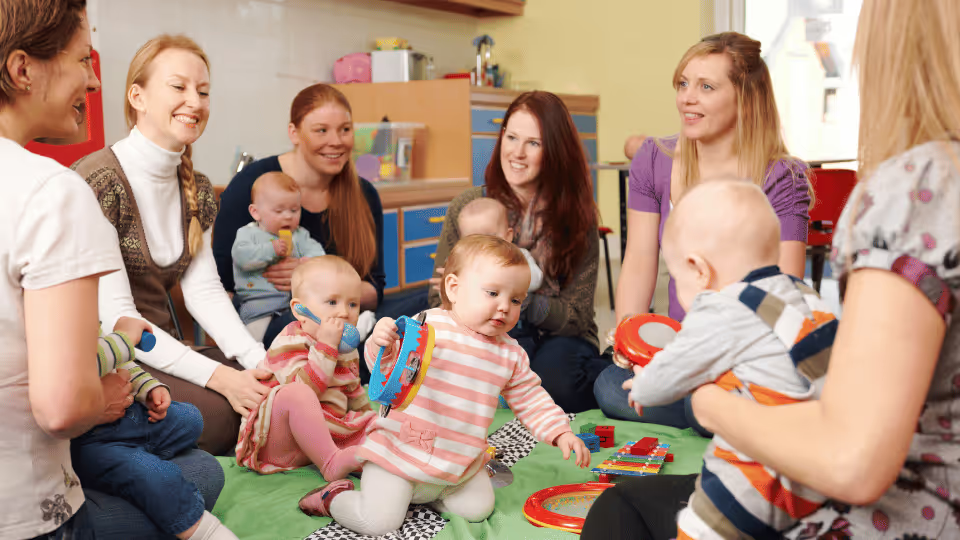
A group of women and babies sitting on the floor, promoting free parenting resources available near Austin, Texas.

Coral Care content is reviewed and approved by our clinical professionals so you you know you're getting verified advice.

Find effective support for developmental delays, quickly.

Self-pay or insurance
In-person and at-home appointments
No waitlist
Find Care

Concerned about your child's development?

Our free screener offers guidance and connects you with the right providers to support your child's journey.

Take the Screener

Parenting a child with disabilities or developmental delays comes with unique needs, and finding the right resources in Austin is essential. This blog highlights inclusive resources that provide support, guidance, and tools for parents of children with diverse needs, helping you navigate the journey with confidence and care. 

Key takeaways

  • A range of resources is available for parents in the Austin area, such as parenting education programs, parent advocacy programs, developmental disability councils, support groups, and Coral Care.
  • By taking advantage of the invaluable resources in this blog, parents can not only feel more confident in advocating for their children but also build a sense of community with others who understand the unique experiences of raising children with special needs.
  • Coral Care is an amazing resource for parents in Austin, as they can get their child three different types of therapies all in one place. Best yet, Coral Care has no waitlist - meaning you and your child do not have to wait to receive care. 

Resources for parents in Austin, TX

A man and woman smile while holding a child, representing family support resources for parents in Austin, TX

There are a wealth of resources available in Austin to help support families parenting children with disabilities and or developmental delays. From parenting education programs to advocacy groups, developmental disability councils, and support networks, these resources are essential in empowering parents with the knowledge and tools they need to navigate the complexities of raising a child with disabilities. They provide not only information, but also a sense of community and connection, ensuring parents don't have to face these challenges alone.

Among the valuable resources is Coral Care, a program dedicated to offering specialized support for families. Coral Care is designed to provide tailored assistance, helping parents manage the specific needs of their children while also connecting them with local services and support systems. Together, these resources create a comprehensive support network, offering everything from educational workshops to emotional support groups, all aimed at improving the well-being of children with disabilities and their families. By leveraging these tools, parents can feel more confident in their ability to advocate for their child, access necessary services, and build a positive future. Over the course of this article, we will deep dive resources in the greater Austin area and how you can get involved.

Parenting education programs

Parenting education programs provide valuable knowledge and skills to help parents effectively support their child's development and well-being. These programs offer practical strategies, guidance on managing specific challenges, and a deeper understanding of a child's needs, empowering parents to create a nurturing environment that promotes growth and success. Below, we dive into parent education programs near Austin and how you can get involved. 

VELA in Austin

VELA is an empowering parenting education program that provides parents of children with disabilities the knowledge and tools to become their child's greatest advocates. Through hands-on courses, peer support groups, and community-building efforts, VELA helps families navigate the complex systems of care and access the resources their children need. Services are offered in both English and Spanish, and they are available at no cost to families in the Austin area, both virtually and in person. By teaching families about their rights, breaking down complex systems, and offering a supportive community, VELA ensures that parents feel equipped and confident in advocating for their children.

The impact of VELA is profound, as it helps break down the isolation often felt by families, offering a sense of belonging and connection with others who share similar experiences. Key features of the program include culturally responsive services, dynamic teaching methods, and a focus on self-compassion for parents. To get involved, families can register for courses or support groups on the VELA website. Through these resources, VELA builds a stronger, more informed community where all families of children with disabilities can thrive.

AVANCE - Austin's Parent-Child Education Program

AVANCE-Austin offers a dynamic and supportive program that empowers parents to become their child's primary educator. Through their Parent-Child Education Program (PCEP), parents receive personalized, hands-on training during monthly home visits, where they can practice skills learned through play and appropriate environmental stimulation. These visits are tailored to meet each family's individual needs, helping parents develop the tools to support their child's development and create a stimulating home environment. In addition to home visits, AVANCE offers a variety of sessions including toy-making classes, parenting education, and access to community resources, all aimed at enhancing the parent-child relationship and ensuring children are "school ready."

The program's impact is profound, as it not only strengthens family bonds but also prepares children for success in school. Parents gain confidence in their roles as educators, and the support network fosters community connections. To get involved, families can contact AVANCE-Austin directly to learn more about their services and join the program. With additional support like transportation and food assistance, AVANCE ensures that all families can access these valuable resources, helping break the cycle of poverty and setting children on a path to success.

Texas Parent to Parent

Texas Parent to Parent (TxP2P) provides crucial support, information, and education to families of children and adults with disabilities, chronic health conditions, and other healthcare needs. Through peer support, families are connected with others who share similar experiences, offering a unique space for emotional connection and practical advice. The organization's services include everything from one-on-one peer mentorship to resources like the Care Notebook, which helps parents stay organized with medical and educational information. TxP2P also hosts a range of support groups, including weekly Zoom calls in English and Spanish, and provides advocacy resources to empower families in navigating healthcare, education, and other systems.

Parents can join TxP2P by reaching out directly through their website or by calling their support line at 866-896-6001. The program is designed to help families build strong networks of support, ensuring they never have to face the challenges of caring for a loved one with special needs alone. Whether through one-on-one peer support or educational resources, TxP2P plays a pivotal role in empowering parents to become effective advocates for their children.

Texas Project First

Texas Project First is a valuable resource for parents of children with disabilities, providing accurate and consistent information to help families navigate the special education process. Designed by parents, for parents, this program ensures that families have access to the knowledge they need to advocate effectively for their children. The platform offers a wealth of resources, including guides on IEP development, evaluations, and accommodations, as well as transition planning and dispute resolution. These resources are especially helpful in empowering families to actively participate in their child's educational journey.

By providing clear, parent-friendly explanations of complex topics, Texas Project First supports families through every stage of their child's education. Parents can explore a wide range of tools and educational materials designed to enhance their understanding of the special education process. Whether you're new to the process or need further guidance, Texas Project First is here to help. To get involved, families can visit the website for detailed information and access to free resources, ensuring they have the support they need every step of the way.

Parent advocacy programs in Austin

Parent advocacy programs in Austin are designed to empower parents by providing them with the tools and knowledge to effectively advocate for their child's rights and needs. These programs help parents navigate systems like education, healthcare, and social services, ensuring they have the support necessary to secure the best opportunities for their child's development and well-being. Let's look into some of the ones available near Austin.

Easterseals of Central Texas

Easterseals of Central Texas is dedicated to advocating for individuals with disabilities and their families, providing a wide array of services to empower them in achieving greater independence. Through early childhood interventions, outpatient rehabilitation, and audiology services, Easterseals supports children and adults with disabilities, ensuring they have the resources to thrive. Their advocacy efforts go beyond just providing services; they work to influence public policy and create systemic change that promotes inclusion and equality for people with disabilities. By addressing the unique needs of each individual, Easterseals empowers families with the knowledge and tools to advocate for their children's rights and well-being.

In addition to direct services, Easterseals offers parent support and training programs that help families navigate the complex world of disability services, equipping them to become powerful advocates for their loved ones. They also provide community housing, job training, and employment opportunities to help individuals with disabilities live fulfilling, independent lives. To get involved, families can reach out to Easterseals through their website to access resources, join advocacy campaigns, and learn how to make a difference in the lives of individuals with disabilities across Texas.

Disability Rights Texas

Disability Rights Texas (DRTx) is a powerful advocacy organization dedicated to ensuring that individuals with disabilities in Texas have equal access to their rights and are protected from discrimination. By providing legal advocacy and resources, DRTx helps people navigate barriers in areas like education, employment, healthcare, and community living. Their mission is to defend the dignity and worth of all people by advocating for their rights to participate fully in society. Whether it's supporting individuals in accessing necessary services or fighting for systemic change, DRTx ensures that Texans with disabilities are heard and empowered.

One of the key features of DRTx is its comprehensive approach to advocacy, offering assistance through various programs focused on self-advocacy, healthcare access, housing, transportation, and more. The organization uses legal strategies to assist individuals, helping them understand and exercise their rights. If you or a loved one needs support, you can easily get in touch with DRTx through their website, where they provide resources, client success stories, and a straightforward process for applying for help. Joining their efforts in advocating for disability rights not only helps individuals gain access to critical services but also strengthens the fight for a more inclusive Texas.

Special Education (SPED) Texas

SPEDTex is a vital resource for parents and educators navigating the complexities of special education in Texas. The program offers comprehensive information on understanding disabilities, as well as parents' rights and responsibilities under the Individuals with Disabilities Education Act (IDEA). SPEDTex fosters collaboration between families and educational professionals, providing resources to support the development and delivery of services tailored to children with disabilities. Parents can access tools that help them advocate for their child's needs, resolve challenges with schools, and effectively participate in their child's education plan. Key services include a resource locator, webinars, and training materials, all aimed at empowering families to achieve the best outcomes for their children.

To get involved, families and educators can create a personalized account on SPEDTex to receive customized reminders, join focus groups, and access a range of resources. Whether you're seeking advice on an Individualized Education Program (IEP) or looking for guidance on navigating school challenges, SPEDTex is committed to equipping parents with the knowledge and support they need to advocate effectively. This is a great starting point for anyone wanting to make informed decisions about their child's special education needs in Texas.

Developmental disability councils in Austin
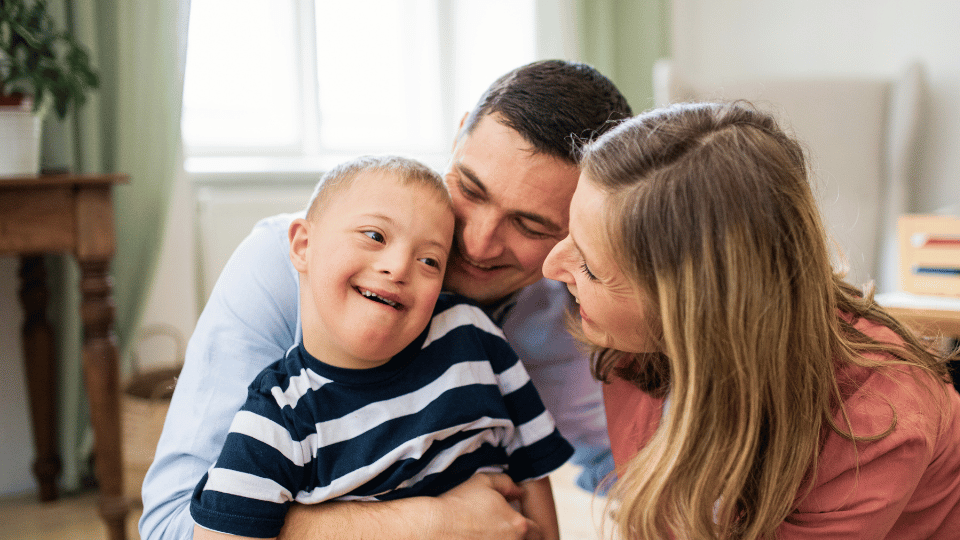
A man and woman embrace a child, symbolizing support and love, representing developmental disability councils in Austin.

Developmental disability councils are key organizations that work to improve the lives of individuals with disabilities through advocacy, policy development, and community support. Getting involved with these councils is crucial for parents in the greater Austin area, as they offer resources, guidance, and opportunities to influence local and state policies that can directly benefit their child's development and access to services.

The Texas Council for Developmental Disabilities (TCDD) is dedicated to empowering individuals with developmental disabilities (DD) to achieve independence, productivity, and full community integration. Through a comprehensive network of services and supports, TCDD helps individuals and families navigate challenges and advocate for better opportunities. One of the council's key initiatives is its regional coordinators, who serve as vital connections for families, providing localized information, resources, and advocacy. These coordinators help organize educational events, support training, and build networks within communities, ensuring that individuals with DD can access the support they need.

The TCDD has made a significant impact by promoting events such as disability rights training, community resource fairs, and policy discussions to elevate the voices of those with developmental disabilities. Regional coordinators are instrumental in fostering these connections and creating lasting change within local communities. Families can connect with their regional coordinator directly by phone or email, providing an opportunity to stay informed about regional developments and find the resources that best support their needs. To join, visit the TCDD website to find your regional coordinator and access the services available in your area.

Parent support groups in Austin

Parent support groups in Austin provide a safe space for parents of children with disabilities to connect, share experiences, and offer emotional support. Getting involved in these groups is invaluable, as they offer a sense of community, resources, and practical advice from others who truly understand the unique challenges and rewards of raising a child with disabilities. Below, we dive into some of the support groups near Austin that you can join.

Navigate Life Texas - Austin Special Needs

Austin Special Needs, as part of Navigate Life Texas, is a comprehensive support group that focuses on connecting parents of children with special needs in the Austin area. The group's core mission is to provide families with emotional support, educational resources, and opportunities for social interaction. It goes beyond just providing information; it fosters a true sense of community. Parents can find solace in knowing that they're not alone, and they can lean on others who understand their unique challenges.

Key features of this support group include regular events like "Mom's Night Out" and "Dad's Night Out," designed specifically to offer parents a break and a chance to socialize in a relaxed setting. These events create a space where parents can unwind, share experiences, and form bonds with others who are navigating similar journeys. The group also organizes social activities and playdates for children, giving families an opportunity to connect and create lasting friendships. To join, families can simply visit the Navigate Life Texas website, where they can access the full range of services and connect with others in the Austin area for both support and fun activities.

Caregiver Support Group

The Caregiver Support Group, initiated by the Complex Chronic Illness Parent Advisory Group (CChIPAG) at Ronald McDonald House, provides a dedicated space for parents and family members of children with complex chronic conditions to come together. This group offers much-needed emotional support, helping families navigate the challenges of caring for children with serious health conditions. Through these meetings, participants share experiences, discuss strategies for managing stress, and gain insight into the unique needs of their children. The group provides a compassionate environment where families can connect with others facing similar situations, reducing feelings of isolation.

If you're interested in joining this supportive community, you can contact the CChIPAG coordinator via email for more details on meeting times and participation. The group is specifically designed to offer a space for families to discuss ongoing issues and receive emotional and practical support, making it an invaluable resource for those managing the complexities of chronic illness.

Parents of Children with Special Needs Support

The "Parents of Children with Special Needs Support" group, hosted by Amy Clark, offers an essential support system for parents in Austin, Texas. This group focuses on providing a safe, understanding space where parents of children with special needs can share their experiences and receive emotional support. Led by Amy Clark, a Licensed Professional Counselor, the group emphasizes empowerment, offering parents a chance to connect, learn, and grow together. The group is designed to foster mutual support, allowing participants to feel heard and understood in a community of peers facing similar challenges.

To join, parents can reach out directly to Amy Clark via email or phone to inquire about group sessions and schedules. The group meets at a central location in Austin, making it a convenient and accessible resource for local families. Whether you're seeking guidance on managing daily challenges or simply need a space to connect with others, this support group offers valuable resources and emotional care tailored to the unique needs of parents raising children with special needs.

Coral Care in Austin

Coral Care offers a unique and comprehensive support system for families with children who have disabilities, serving as an invaluable resource for parents navigating the complexities of care and advocacy. The program in Austin is designed to provide tailored assistance, connecting families with a range of services that meet their child's specific needs. Whether it's helping with access to educational resources, medical support, or community services, Coral Care ensures parents have the tools and knowledge necessary to provide the best care for their children. This personalized approach helps to reduce stress and uncertainty, empowering families to make informed decisions every step of the way.

For parents of children with disabilities, Coral Care is a bridge that connects them to a network of resources, including specialized therapy programs, support groups, and advocacy services in the greater Austin area. It complements other critical resources like parenting education programs and developmental disability councils by offering individualized guidance and a direct line to services that may be hard to navigate independently. By being part of Coral Care, families gain not only practical support but also a deeper sense of confidence in their ability to advocate for their child and access the resources that promote their child's growth and well-being.

Summary

In conclusion, Austin, Texas offers a wealth of resources designed to support parents raising children with disabilities or developmental delays. From parenting education programs to advocacy services and community support networks, these resources are essential for empowering families and ensuring that no one has to face the challenges alone. Coral Care, along with other local organizations, plays a pivotal role in providing specialized support, helping parents access the tools and therapies their children need without the long wait. By taking advantage of these invaluable resources, parents can not only feel more confident in advocating for their children but also build a sense of community with others who understand the unique experiences of raising children with special needs. Whether you are seeking education, emotional support, or practical services, Austin's inclusive network of resources is here to help you every step of the way.

Looking for Pediatric Therapy Support in Austin?

Coral Care connects Austin families with local, licensed pediatric therapists who provide in-home occupational therapy, speech therapy, and physical therapy — no referral needed, no waitlist. Sessions happen in your home, where your child is most comfortable.

  • Get Started → Search for a licensed therapist in the Austin area and book your in-home evaluation online.
  • Have questions? Text our Care Concierge — the number is at the bottom of our site. We accept BCBSTX, Baylor Scott & White, Curative, plus self-pay and out-of-network options.


Frequently Asked Questions

No items found.

Related Blogs