

This is some text inside of a div block.

Frequency depends on the child's needs and goals. Children with mild motor delays or toe walking may benefit from biweekly or monthly sessions as maintenance, with a home program to carry over between visits. Children with significant hypotonia, cerebral palsy, or post-surgical recovery needs may require two to three sessions per week during intensive phases. Your Coral Care PT will evaluate your child and make a frequency recommendation based on the clinical picture — and adjust that recommendation as your child progresses.

This is some text inside of a div block.

Early Intervention PT is federally funded, free to families, and available from birth through age 2 for children with developmental delays. It ends when a child turns 3, regardless of whether needs persist. School-based PT (ages 3+) is available through an IEP but is typically limited in frequency and scope to educational goals. Private PT through TEFA has no such restrictions — goals can address home mobility, outdoor play, sports participation, and general motor development at whatever frequency the child needs. Many families use TEFA to continue seamlessly after Early Intervention ends.

This is some text inside of a div block.

Yes. PT addressing persistent toe walking — including Achilles stretching, sensory-based interventions, strengthening, and gait training — qualifies as an educational therapy under TEFA when provided by a licensed physical therapist. Early intervention matters: if Achilles tightness is left untreated, it can progress to a point where stretching and PT alone are insufficient and more invasive interventions become necessary.

This is some text inside of a div block.

Yes. Physical therapy for children with cerebral palsy is covered under TEFA as an educational therapy. Children with cerebral palsy who have a qualifying IEP on file with TEA and household income at or below 500% of the Federal Poverty Level may qualify for up to $30,000 per year — enough to support intensive, sustained PT that maintains function and prevents secondary complications. In-home PT is particularly valuable for these children, as skills are practiced in the actual environments of daily life rather than a gym setting.

This is some text inside of a div block.

Not with Coral Care. You can reach out directly and we will verify your insurance benefits before the first session. A physician referral may be required by your insurance plan to authorize coverage for PT sessions — our team can help you navigate that process. But a referral is not required to get started with Coral Care, get matched with a PT, or schedule an evaluation.

This is some text inside of a div block.

Common signs include not walking by 15 months; persistent toe walking past age 2; falling significantly more than peers of the same age; asymmetrical movement — dragging one leg while crawling, favoring one side; feeling floppy or having low muscle tone; avoiding physical play or tiring faster than peers; difficulty with stairs, jumping, or playground equipment; and having a head tilt or neck rotation that doesn't self-correct. Any of these patterns warrants an evaluation. A Coral Care PT can assess what's happening and build a plan — no referral required.

This is some text inside of a div block.

Yes. OTs with feeding specialties address sensory-based food aversions — reactions to texture, temperature, color, or smell that limit food repertoire — as well as oral motor dysfunction and mealtime anxiety. When sensory processing is driving the challenge, OT is the right starting point. For children with oral motor difficulties affecting chewing, swallowing, or the mechanics of eating, OT may work alongside a speech therapist. TEFA covers feeding therapy as an educational therapy when delivered by a licensed OT.

This is some text inside of a div block.

School-based OT operates under an educational model, which means goals must directly relate to the child's ability to access their education. Sessions are typically brief (20–30 minutes), infrequent (often once a week or less), and focused narrowly on school function. Private OT through TEFA can address a broader range of goals — home routines, regulation in the community, extracurricular participation — at higher frequency with more individualized attention. Many families use both in combination.

This is some text inside of a div block.

Yes. OT plays a central role in autism care, addressing sensory processing differences, emotional regulation, fine and gross motor development, self-care routines, and social participation skills. OT and speech therapy are often delivered together for autistic children — the disciplines are highly complementary. Children with autism who have a qualifying IEP on file with TEA may qualify for up to $30,000 annually through TEFA, which can support the intensive, multi-discipline treatment plans that research shows produce the best outcomes.

This is some text inside of a div block.

Yes, when delivered by a licensed occupational therapist. Sensory integration therapy, sensory diet development, and structured sensory-based intervention programs provided by a licensed OT qualify as educational therapies under TEFA. Standalone sensory gyms or equipment without a licensed therapist present would not qualify as a therapy expense under TEFA rules.

This is some text inside of a div block.

Yes — and this is one of the most common reasons families seek OT. Many meltdowns are rooted in sensory processing differences or regulation difficulties that have neurological, not behavioral, origins. OTs work on helping children recognize their own arousal states, build a toolkit of regulation strategies, and develop the sensory supports that reduce the frequency of difficult moments. This work is distinct from behavioral therapy: OT targets the underlying sensory and neurological foundations of self-regulation.

This is some text inside of a div block.

Common signs include strong negative reactions to clothing textures, grooming, or unexpected touch; difficulty with fine motor tasks like buttons, zippers, or pencil grip; handwriting that seems much harder than it should be; frequent meltdowns at transitions or in sensory-rich environments like stores, cafeterias, or gyms; struggles with dressing, feeding, or other self-care routines; and difficulty organizing tasks or staying on topic during activities. A Coral Care OT evaluation can clarify what's happening and where intervention would help — no referral needed.

This is some text inside of a div block.

Common signs vary by age. Under 12 months: not babbling, not responding to their name, limited eye contact. By 18 months: fewer than 10 words, not pointing to show you things. By 24 months: fewer than 50 words, not combining two words, speech that's hard for family members to understand. School age: difficulty following multi-step directions, problems with reading, being hard to understand for unfamiliar adults, or avoiding conversation. If you have a concern at any age, an evaluation is the right next step — you do not need a referral with Coral Care.

This is some text inside of a div block.

Yes. Coral Care accepts BCBS Texas, Baylor Scott & White, and Curative alongside TEFA. Insurance typically functions as the primary payer, and TEFA funds can be used to cover the remainder — including co-pays, sessions beyond insurance limits, or services your insurance plan doesn't cover. Many families find that combining both sources allows for higher frequency and longer duration of therapy than either alone would support.

This is some text inside of a div block.

CAS is a motor speech disorder in which the brain has difficulty planning and coordinating the precise movements needed to produce speech sounds. Unlike an articulation disorder where a child consistently mispronounces sounds, CAS involves inconsistent errors and difficulty with voluntary movement for speech. CAS requires intensive, highly structured, frequent intervention — typically two to three sessions per week — from an SLP with specific CAS training. The $30,000 TEFA tier is particularly meaningful for these families, as the cost of intensive apraxia treatment can be significant.

This is some text inside of a div block.

Yes. Speech-language pathology for children with autism — including social communication, pragmatic language, AAC implementation, and articulation — is a covered TEFA educational therapy. Children with autism who have a qualifying IEP on file with TEA may qualify for up to $30,000 per year, which can support the intensive, frequent sessions that autistic children often benefit from most. No IEP is required to get started with Coral Care.

This is some text inside of a div block.

TEFA eligibility begins at age 3. Private speech therapy with Coral Care is available starting at 12 months, and families can begin before TEFA funds open using insurance or self-pay. Early intervention in speech and language development — particularly during the toddler years — has the strongest evidence for long-term outcomes. Starting therapy now and transitioning payment to TEFA on July 1 is the approach we recommend for most families.

This is some text inside of a div block.

Yes, when provided by a licensed SLP. Feeding therapy addressing oral motor dysfunction, food texture aversions, swallowing difficulty, and mealtime anxiety qualifies as an educational therapy under TEFA. For children with both sensory and oral motor components to their feeding challenges, OT and SLP may work together — both are covered under TEFA when delivered by licensed providers.

This is some text inside of a div block.

An out-of-state IEP can be submitted as supplemental documentation and may help with Priority 1 placement in the TEFA lottery, but it does not alone qualify a child for the enhanced $30,000 funding tier. That tier requires an IEP issued by a Texas public school district or charter school on file with TEA. If you have recently moved to Texas, contacting your local school district to initiate a Texas IEP process is worth doing as soon as possible.

This is some text inside of a div block.

The TEFA Disability Certification Form is an alternative documentation path for children who have a disability but do not currently have an IEP on file with TEA. Completed by a licensed professional — such as a pediatrician, psychologist, or therapist — the form can support Priority 1 placement in the TEFA lottery. However, it does not qualify a child for the $30,000 enhanced funding tier. Only a Texas public school or charter IEP on file with TEA unlocks that amount.

This is some text inside of a div block.

A Coral Care evaluation produces detailed clinical documentation of your child's current functioning in areas like speech and language, motor development, or sensory processing. That documentation can serve as one of the supporting inputs when your school district evaluates your child for special education eligibility — but the IEP itself is created through the school's ARD committee process, not through a private provider. Coral Care's documentation strengthens the case; the school makes the determination.

This is some text inside of a div block.

Not automatically. Three conditions must all be met: the IEP must have been issued by a Texas public school district or charter school (not a private school or out-of-state school); it must be from the 2023–24, 2024–25, or 2025–26 school year and on file with TEA; and the household income must be at or below 500% of the Federal Poverty Level. Both the IEP and the income requirement are necessary.

This is some text inside of a div block.

Both tiers allow TEFA funds to be used for approved expenses including therapy, tutoring, and private school. The $10,474 standard tier is available to all eligible private school families. The $30,000 enhanced tier is specifically for children with a qualifying IEP on file with TEA from a Texas public school or charter school, with household income at or below 500% of the Federal Poverty Level. Both tiers require meeting the general TEFA eligibility requirements.

This is some text inside of a div block.

Yes. A parent's concern is enough to get started. You do not need a diagnosis, a referral, or an IEP to begin therapy with Coral Care. Many families start with an evaluation, which then informs whether additional documentation — including pursuing an IEP through the school district — is appropriate. The evaluation itself becomes clinical evidence supporting that process.

This is some text inside of a div block.

The 2026–27 application window closed March 31, 2026. If you applied, award notifications are going out in April via Odyssey. If you missed this cycle, the next window opens in early 2027. In the meantime, your child can start therapy with Coral Care today using insurance or self-pay — and you will be an established family with documented progress when the next cycle opens.

This is some text inside of a div block.

Yes — and this is what we recommend. Families who begin with Coral Care now using insurance or self-pay arrive at July 1 with an established therapist who already knows their child, documented progress, and an active treatment plan. Switching payment to TEFA on July 1 does not disrupt the therapist relationship. Use code TEXASFAMILIES for $100 off your first evaluation.

This is some text inside of a div block.

Yes. Coral Care is registered in the Odyssey TEFA marketplace and will accept TEFA funds starting July 1, 2026. We offer in-home occupational therapy, speech-language pathology, and physical therapy across Texas with 200 licensed providers statewide. Families can also combine TEFA with BCBS Texas, Baylor Scott & White, or Curative insurance.

This is some text inside of a div block.

No. Unused TEFA funds roll over year to year as long as your child stays enrolled in the program. You do not lose money you don't spend in a given year — it simply carries forward into your account for the next year.

This is some text inside of a div block.

TEFA funds are released in three disbursements. At least 25% of your annual award becomes available July 1, 2026. An additional 50% releases October 1, 2026. The remaining funds become available April 1, 2027. Unused funds roll over to the following year as long as your child remains enrolled in the program.

This is some text inside of a div block.

No. An IEP determines your funding tier, not whether you qualify. Without an IEP, your child qualifies for the standard $10,474 tier (private school) or $2,000 (homeschool). With a qualifying IEP on file with TEA, your child may qualify for up to $30,000. Either way, your child can participate in TEFA and receive therapy through approved providers like Coral Care.

This is some text inside of a div block.

Yes. TEFA explicitly covers fees for educational therapies provided by licensed professionals under Texas Education Code Section 29.3522. This includes occupational therapy, speech-language pathology, and physical therapy from providers registered in the Odyssey TEFA marketplace. Coral Care is an approved TEFA provider with 200 licensed therapists across Texas, ready to accept TEFA funds starting July 1, 2026.

This is some text inside of a div block.

Trust your instincts. Pediatricians see children for short visits and may recommend a watchful waiting approach for mild concerns. But speech and language development happens quickly, and waiting can mean losing critical time during the window when intervention is most effective. You do not need a pediatrician referral to request a speech evaluation — you can contact an SLP directly or reach out to Coral Care and we will take it from there.

This is some text inside of a div block.

A speech delay affects how clearly a child produces sounds and words — a child with a speech delay may be hard to understand even when they are saying the right things. A language delay affects what a child is able to say and understand — their vocabulary, sentence structure, and comprehension. Some children have one or the other; some have both. An SLP evaluation will clarify which is present and what kind of support your child needs.

This is some text inside of a div block.

No. A speech-language pathologist evaluates your child based on what they observe — not based on whether a formal diagnosis exists. If your child is behind on language milestones, hard to understand, or showing signs of fluency or social communication challenges, an SLP can assess and develop a treatment plan without a prior diagnosis in place.

This is some text inside of a div block.

Children can start speech therapy as early as infancy — there is no minimum age. Early Intervention programs serve children from birth through age 2, and private speech therapy is available at any age. The earlier a delay is identified and addressed, the better the outcomes. If you have concerns about your child's speech or language at any age, the right move is to get an evaluation rather than wait.

This is some text inside of a div block.

Yes — and for many children it is more effective. In-home physical therapy happens in the environment where your child actually lives: your floors, stairs, backyard, and daily routines. Skills practiced there transfer immediately to real life rather than needing to generalize from a clinic setting. Coral Care's in-home PTs are licensed pediatric specialists, and sessions are billed to insurance the same way outpatient clinic visits are.

This is some text inside of a div block.

Late bloomers typically catch up on their own within a few months, and their overall movement quality looks typical even if timing is slightly behind. A gross motor delay involves a wider gap from same-age peers, inconsistency across multiple milestones, or movement quality that looks qualitatively different — such as low muscle tone, asymmetrical movement, or significant clumsiness. If you are unsure, a PT evaluation will tell you definitively which you are dealing with.

This is some text inside of a div block.

Toe-walking is common in toddlers who are just learning to walk and usually resolves on its own. If your child is still walking on their toes consistently past age 3, or if it's happening alongside muscle stiffness, limited range of motion, or other motor concerns, a PT evaluation is a good next step. A pediatric PT can assess whether there is an underlying cause and address any tightness before it becomes harder to treat.

This is some text inside of a div block.

No referral is required to get an evaluation or start services at Coral Care. You can reach out directly and we will verify your insurance benefits before your child's first session. If your pediatrician has concerns about your child's motor development, a referral can help with insurance authorization — but it is not a requirement to get started.

This is some text inside of a div block.

Sensory-related meltdowns tend to follow a pattern: they happen in specific environments (loud places, crowded rooms, transitions between activities) and feel disproportionate to what triggered them. If your child's meltdowns are frequent, hard to de-escalate, and seem tied to specific sensory inputs or unexpected changes, an OT evaluation can clarify whether sensory processing is involved and what to do about it.

This is some text inside of a div block.

Yes, when food refusal is rooted in sensory processing differences — reactions to texture, temperature, color, or smell — OT is the right starting point. A pediatric OT can assess whether sensory sensitivities are driving the behavior and develop strategies to expand your child's food repertoire. For children with oral motor challenges, an OT may work alongside a speech therapist.

This is some text inside of a div block.

Occupational therapy focuses on the skills children need to participate in daily life — getting dressed, managing sensory experiences, writing, regulating emotions, and developing fine motor coordination. Speech therapy addresses communication: talking, understanding language, reading foundations, and in some cases feeding and swallowing. Many children benefit from both, and Coral Care offers them together under one care team.

This is some text inside of a div block.

No. Occupational therapists evaluate what they observe — not what's on a piece of paper. If your child is struggling with fine motor skills, sensory responses, dressing, or emotional regulation, that's enough reason to request an evaluation. A diagnosis is not required to receive services through Coral Care.

This is some text inside of a div block.

In most cases, yes. Coral Care accepts most major insurance plans across our nine states. Coverage varies by plan and state — contact us and we'll check your benefits before your first session.

This is some text inside of a div block.

Convenience matters, which is exactly why in-home therapy exists. When a therapist comes to your home, you get everything telehealth promises — no commute, no waiting room, therapy in your child's natural environment, real family involvement — and your child still gets actual therapy. In-home in-person care is not a compromise between convenience and quality. It is both.

This is some text inside of a div block.

No. The need for physical guidance doesn't diminish as children get older. A seven-year-old working on handwriting, an eight-year-old with feeding challenges, a nine-year-old building fine motor strength — all of them need hands-on intervention. Virtual OT advocates sometimes frame older children as better candidates for telehealth because they can follow instructions. But following instructions and receiving therapy are two different things.

This is some text inside of a div block.

The honest read is mixed. The clearest post-pandemic data point: when researchers surveyed 132 pediatric OTs after restrictions lifted, the median rate of telehealth use had dropped to just 10% of their services. These are clinicians who did both. When they had a choice, nine out of ten went back in person. That is the research that matters most.

This is some text inside of a div block.

Mostly, you become the therapist. The OT watches through a camera and directs you — how to move your child's body, what input to provide, how to respond to what you're seeing. That coaching has value. But you were not trained to deliver occupational therapy, you cannot feel what a trained clinician feels, and you are also trying to be the parent at the same time. Research confirms this burden is real — studies found some caregivers reported increased stress and burnout from managing virtual OT sessions. For a child with active therapy goals, this model asks too much of parents and delivers too little to kids.

This is some text inside of a div block.

Because the work happens through the body, not through a screen. An OT working on handwriting can feel how a child grips a pencil and physically correct their hand position — a camera cannot. An OT working on feeding can assess oral motor function and texture responses up close in ways video cannot replicate. An OT working on sensory integration delivers deep pressure, vestibular input, and tactile stimulation that require physical contact. An OT working on dressing guides a child's hands through the motor sequence of buttoning, zipping, and fastening. Across almost every OT goal area, the most important clinical tool is the therapist's physical presence and hands — neither of which travels over a video call.

This is some text inside of a div block.

For a narrow set of goals, yes. Telehealth OT works for teaching parents strategies, checking in on home programs, and maintaining skills a child already built through in-person work. For everything else — sensory integration, fine motor development, feeding, handwriting, self-care skills, motor planning, regulation — the research is less encouraging. The clearest finding across multiple studies is that virtual OT's strongest evidence is in coaching parents, not in treating children directly. Those are not the same thing.

This is some text inside of a div block.

A lot more than most people expect. OT covers the full range of what children need to do every day: getting dressed, holding a pencil, eating without distress, sitting still long enough to learn, navigating a playground, regulating emotions when a plan changes. Specifically, pediatric OTs work on sensory processing, fine motor skills, gross motor development, handwriting, feeding and oral motor function, self-care, attention, emotional regulation, visual-motor integration, motor planning, and daily living skills. Most of these goals have one thing in common — they require a therapist whose hands are in the room.

This is some text inside of a div block.

For a narrow set of goals, yes. Telehealth OT works for teaching parents strategies, checking in on home programs, and maintaining skills a child already built through in-person work. For everything else — sensory integration, motor development, body awareness, regulation — the research is less encouraging. The clearest finding across multiple studies is that virtual OT's strongest evidence is in coaching parents, not in treating children directly. Those are not the same thing.

This is some text inside of a div block.

Virtual OT is therapy delivered over video call, where a licensed occupational therapist guides activities remotely. The therapist observes your child through a screen and coaches you or your child through exercises in real time. It expanded during the COVID-19 pandemic when in-person care wasn't an option — and for many families, it was better than nothing. But better than nothing is a low bar when your child has real sensory or motor needs.

This is some text inside of a div block.

Don't wait. Start with our free developmental screener to get a clearer picture of where your child stands. If you have concerns, reach out to your pediatrician and consider self-referring to Coral Care — the earlier a child gets support, the better the outcomes.

This is some text inside of a div block.

Speech therapy addresses communication — including talking, understanding language, and in some cases feeding and swallowing. Occupational therapy focuses on the skills children need to participate in daily life: fine motor skills, sensory processing, self-care tasks like dressing and eating, and attention. Many children benefit from both, which is why Coral Care offers them together.

This is some text inside of a div block.

Yes — they're not mutually exclusive. Some families work with Coral Care while waiting for public services to begin, and others use us alongside their public EI services. Our goal is to make sure your child isn't losing critical development time while paperwork and waitlists sort themselves out.

This is some text inside of a div block.

Yes. Coral Care works with insurance so that families can access in-home speech and occupational therapy without paying out of pocket. We'll help you understand your coverage when you reach out.

This is some text inside of a div block.

No. Families can self-refer directly to Coral Care. You don't need a doctor's order or a referral from the public EI system. Just reach out and we'll take it from there.

This is some text inside of a div block.

Coral Care is a pediatric therapy company providing in-home speech therapy and occupational therapy for children across the Philadelphia region. Unlike the public early intervention system, we don't have a waitlist families have to navigate. We come directly to your child — at home or at school — and we work with insurance so families aren't paying out of pocket.

This is some text inside of a div block.

Philadelphia's early intervention system — particularly the preschool program for children ages 3–5 run through Elwyn — is significantly under-resourced relative to demand. There's a shortage of qualified therapists, and the administrative process can be slow. Families who are legally entitled to services are waiting months, sometimes longer. It's a real and documented problem, and it's part of why private providers like Coral Care exist.

This is some text inside of a div block.

A team of specialists will assess your child across multiple developmental areas — communication, motor skills, cognition, and social-emotional development. It's not a test your child can pass or fail. The evaluation is designed to understand where your child is and what support would help them thrive. Results are shared with you, and if your child is eligible, you'll work with the team to build an Individualized Family Service Plan (IFSP) or Individualized Education Program (IEP).

This is some text inside of a div block.

In Pennsylvania, anyone can make a referral — you don't need a doctor's order. You can contact your pediatrician, call the statewide CONNECT line, or reach out directly to your local early intervention program. In Philadelphia, that's the Infant Toddler EI program (birth to 3) at 215-685-4646, or Elwyn Early Learning Services (ages 3–5) at 215-222-8054. You can also self-refer directly to Coral Care and we'll help guide you from there.

This is some text inside of a div block.

Any child from birth to age five who has a developmental delay or disability, or is at risk for one, may be eligible. You don't need a diagnosis to request an evaluation — a concern is enough to get the process started.

This is some text inside of a div block.

Early intervention is a federally mandated system of support for children from birth through age five who have developmental delays or disabilities. Services can include speech therapy, occupational therapy, physical therapy, and specialized instruction. The goal is to address delays during the earliest — and most critical — window of brain development, when support is most effective.

This is some text inside of a div block.

Early Intervention (EI) is a federally funded program providing free or low-cost evaluations and therapy for children under 3 with developmental delays. It's services-based and family-centered, often delivered in the home. Private therapy (including in-home providers like Coral Care) operates outside EI and is billed through insurance. Private therapy typically offers more scheduling flexibility, faster access, and the ability to continue beyond age 3 without the EI eligibility cutoff. Many families use both simultaneously.

This is some text inside of a div block.

Feeding and swallowing therapy addresses difficulty with eating, drinking, or managing food safely — including chewing challenges, swallowing dysfunction, texture aversions, oral motor weakness, and sensory-based food refusal. It's provided by SLPs (for swallowing mechanics and oral motor function) and OTs (for sensory and behavioral aspects of feeding). For children with significant feeding challenges, co-treatment between OT and SLP often produces the best results.

This is some text inside of a div block.

Signs include: not walking by 15 months, walking on tiptoes consistently past age 2, frequent falls significantly beyond what peers experience, asymmetrical crawling or movement patterns, avoiding physical play, low muscle tone (feeling floppy), difficulty climbing stairs, and not keeping up with peers physically. Any of these patterns warrants a conversation with your pediatrician and a referral for a PT evaluation.

This is some text inside of a div block.

The brain is most plastic — most responsive to intervention — in the first three to five years of life. Early intervention leverages this neurological window to build skills before compensatory patterns become entrenched and before delays compound. Children who receive early intervention consistently show better outcomes than those who wait. The cost of waiting is real: delayed speech at 18 months becomes a bigger gap at 36 months without intervention.

This is some text inside of a div block.

If your child is behind on speech milestones, hard to understand for their age, frustrated by their inability to communicate, avoiding verbal interaction, or showing regression in speech skills, a speech evaluation is warranted. You don't need a pediatrician's referral — you can contact an SLP directly or request Early Intervention for children under 3. An evaluation gives you clarity; it doesn't commit you to a course of treatment.

This is some text inside of a div block.

Pediatric OT helps young children develop the skills they need to participate in their daily "occupations" — play, learning, self-care, and interaction. For infants and toddlers this means fine motor development, sensory processing, feeding skills, and early self-care. For preschoolers it expands to include pre-handwriting skills, emotional regulation, and school readiness. OT for young children is always play-based, family-centered, and tied to functional goals that matter in daily life.

This is some text inside of a div block.

PT-recommended home products include: mini trampolines with handle bars for vestibular and strength work, balance boards and wobble cushions for proprioceptive input, therapy balls for core strengthening, resistance bands sized for children, stepping stones for balance, and foam rollers for body awareness. Your child's PT can recommend specific products based on their goals and will show you how to use them effectively as part of a home exercise program.

This is some text inside of a div block.

OT targets the developmental skills kindergarten demands: fine motor skills for writing and cutting, emotional regulation for managing transitions and group demands, sensory processing for tolerating a busy classroom environment, self-care independence (dressing, bathroom use, feeding), and attention for tabletop tasks. Starting OT before kindergarten — especially if there are known developmental concerns — gives children the most runway to build these foundations before academic expectations begin.

This is some text inside of a div block.

A Coral Care care coordinator helps families navigate the process of getting pediatric therapy — from verifying insurance benefits and matching families with the right therapist, to answering questions about next steps and supporting families through the intake process. They're the human touchpoint that makes the experience feel manageable rather than like navigating a fragmented healthcare system alone. Coordinators don't provide therapy — they make sure you can access it smoothly.

This is some text inside of a div block.

Behavioral therapy (most commonly ABA — Applied Behavior Analysis) uses principles of learning and reinforcement to teach new skills and reduce challenging behaviors. It's most commonly used with autistic children. OT addresses sensory, motor, and daily function; speech addresses communication; behavioral therapy addresses behavior and skill acquisition through structured reinforcement. They often complement each other and are used simultaneously for children with complex needs.

This is some text inside of a div block.

Research following the pandemic documented significant increases in language delays, social communication challenges, and motor delays in children born during or shortly before the pandemic. Reduced social interaction, limited face-to-face communication (due to masks), and loss of childcare and play-based learning all contributed. Many of these children responded well to early intervention once it was accessed. The lesson reinforced the importance of early identification and prompt referral.

This is some text inside of a div block.

Not necessarily on its own. Academic knowledge is only one piece of kindergarten readiness. The skills that most predict kindergarten success are social-emotional — managing frustration, separating from caregivers, following group instructions, and navigating peer relationships. A child who knows all their letters but melts down daily or can't sit in a group for 10 minutes may struggle more than a child with fewer academic skills and stronger regulation.

This is some text inside of a div block.

General benchmarks: 1–3 words by 12 months, 10–20 words by 18 months, 50+ words and beginning two-word combinations by 24 months, and 200+ words with simple sentences by 36 months. These are averages — variation exists. The more important signal is consistent forward progress. Any loss of words previously used is a red flag that warrants immediate evaluation regardless of current word count.

This is some text inside of a div block.

Tummy time builds the neck, shoulder, and core strength that underlies all subsequent motor development — rolling, sitting, crawling, and eventually walking. It also prevents positional plagiocephaly (flat head syndrome) from too much back-lying. Babies who get insufficient tummy time often show delays in motor milestones. The American Academy of Pediatrics recommends starting tummy time from the first day home from the hospital, with increasing duration as tolerated.

This is some text inside of a div block.

Start with short sessions (1–2 minutes) several times a day rather than one long stretch. Try tummy time on your chest rather than the floor — babies often tolerate it better with a caregiver's heartbeat and face nearby. Place a rolled towel under the chest to reduce strain. Use high-contrast toys or a mirror at eye level. As your baby gets stronger, increase duration. Most babies who resist tummy time improve quickly with consistent, short daily practice.

This is some text inside of a div block.

Play is the primary vehicle through which children develop motor skills, language, social-emotional competence, problem-solving, and self-regulation. The type of play that's most beneficial evolves with age: sensory and physical play in infancy, symbolic and pretend play in toddlerhood, rule-based play in preschool, and collaborative and creative play in school age. At every stage, child-led play in a supportive environment is more developmentally powerful than structured adult-directed activities.

This is some text inside of a div block.

Predictable routines provide the nervous system with structure that supports regulation — particularly important for children with sensory processing differences, ADHD, or anxiety. Morning routines prime the nervous system for the day ahead; evening routines signal winding down and prepare the brain for sleep. OTs often help families redesign routines when they're consistently dysregulating — sequencing, timing, and sensory content of routines all affect how they work.

This is some text inside of a div block.

Climbing develops upper body and core strength, bilateral coordination, problem-solving, body awareness, and risk assessment. It's one of the richest developmental activities available to children — and one that's disappearing from many school playgrounds. For sensory-seeking kids, climbing provides powerful proprioceptive and vestibular input. PTs and OTs frequently recommend climbing as a home or playground activity precisely because it addresses so many developmental domains simultaneously.

This is some text inside of a div block.

The first session is typically an evaluation — the PT observes how your child moves, assesses strength and range of motion, identifies functional challenges, and reviews your concerns. They'll play with your child to see how they naturally navigate their environment. You'll receive initial impressions and a plan for ongoing sessions. Subsequent sessions follow a consistent structure with active parent participation and home exercise coaching.

This is some text inside of a div block.

Pediatric PTs are skilled at using what's already in your home: stairs for step practice, couch cushions for balance and core work, laundry baskets for pushing and pulling (heavy work), pillows for obstacle courses, a ball for coordination, and a yoga mat for floor exercises. The advantage of in-home PT is that therapy happens with your actual environment, making skills immediately transferable to daily life.

This is some text inside of a div block.

A pediatric SLP evaluates and treats challenges with communication — speech sounds, language development, social communication, fluency, voice, and feeding and swallowing. They help children who are delayed in language, hard to understand, struggling with reading foundations, having difficulty in social situations, or who have feeding difficulties related to oral motor function. SLPs also work closely with families, coaching caregivers on strategies that support development between sessions.

This is some text inside of a div block.

A pediatric OT helps children participate more fully in the activities of daily life — play, learning, self-care, and social participation. They address fine motor delays, sensory processing differences, emotional regulation challenges, handwriting difficulties, feeding issues, and daily living skill gaps. OTs also collaborate with families and schools to design environments and routines that support the child's development between therapy sessions.

This is some text inside of a div block.

A pediatric PT evaluates and treats challenges related to movement, strength, balance, coordination, and physical endurance. They help children who struggle to walk, run, climb, or keep up with peers physically; who have conditions like cerebral palsy, hypotonia, or torticollis; or who need rehabilitation after injury or surgery. PTs also identify and address musculoskeletal asymmetries and postural issues before they become bigger problems.

This is some text inside of a div block.

An OT comes to your home and conducts therapy within your child's actual daily context — their bedroom, kitchen, bathroom, and play spaces. This allows direct observation of where challenges occur and enables therapy that transfers immediately to real routines. Sessions include hands-on treatment, parent education, and environmental modifications. Skills learned at home generalize better than skills learned in a clinic because they're practiced where life actually happens.

This is some text inside of a div block.

A pediatric PT visits your home on a regular schedule and conducts therapy using your child's own environment — your floors, stairs, furniture, yard, and the activities your child naturally does. This allows the therapist to design interventions around real daily challenges rather than clinic-based simulations. Sessions include direct treatment, caregiver coaching, and home exercise programs. In-home PT is billed to insurance the same as outpatient therapy.

This is some text inside of a div block.

An SLP comes to your home at scheduled appointment times and conducts therapy in your child's natural environment using your child's own toys, books, and daily routines as the therapy context. Sessions are play-based and parent-inclusive — the therapist coaches you on strategies to use between visits. Insurance billing works the same as outpatient clinic therapy. In-home SLP is covered by most major insurers and is often more effective for young children because skills are practiced where they'll actually be used.

This is some text inside of a div block.

Signs include: speech that's difficult for teachers or peers to understand, avoiding verbal participation in class, word-finding difficulties (frequent "um," pausing, or substituting words), social communication challenges (difficulty in conversations or group settings), stuttering, voice disorders, and reading or writing difficulties linked to phonological awareness. Teachers are often the first to notice these patterns across different classroom contexts.

This is some text inside of a div block.

Signs include: messy or illegible handwriting that doesn't improve with instruction, significant difficulty with scissors, buttons, or zippers, sensory sensitivities that disrupt classroom participation, emotional dysregulation that interferes with learning, avoidance of fine motor tasks, trouble with self-care tasks, and difficulty organizing materials or following multi-step instructions. Any of these patterns, when persistent, warrants a referral for OT evaluation.

This is some text inside of a div block.

Key signs include: frequent unexplained falls or clumsiness, difficulty keeping up with peers in physical activity, avoiding movement or physical play, significant asymmetry in how they use their body, complaints of pain or fatigue during ordinary activities, toe-walking, and poor core strength evident in posture or sitting endurance. Teachers often notice these signs first because they observe children across many physical contexts throughout the day.

This is some text inside of a div block.

Children progress through solitary play (playing alone, typical under age 2), parallel play (playing alongside but not with peers, 2–3 years), associative play (interacting with peers around shared materials without organized goals, 3–4 years), and cooperative play (organized games with rules and shared objectives, 4+ years). These stages don't replace each other — children move fluidly between them. Significant delays in progressing through stages can indicate social communication or developmental differences worth evaluating.

This is some text inside of a div block.

Frequency depends on the severity of your child's challenges, their goals, and what their insurance covers. Many children start with one to two sessions per week. As goals are achieved and home strategies become more established, frequency often decreases to maintenance or monitoring levels. Your child's OT will recommend a frequency based on their clinical judgment and adjust it as your child progresses.

This is some text inside of a div block.

An OT plan (also called a plan of care) outlines your child's evaluation findings, specific functional goals, the recommended frequency and duration of therapy, and the interventions that will be used to achieve those goals. Goals are tied to real-life outcomes — not abstract skills. The plan is reviewed and updated regularly based on your child's progress, and parents are integral to the planning process.

This is some text inside of a div block.

Look for a PT with specific pediatric experience and training — not all PTs specialize in children. Ask about experience with your child's specific diagnosis or presenting concerns. Boston families can search through Boston Children's Hospital's referral network, request recommendations from your pediatrician, or use in-home providers like Coral Care that specialize in pediatric PT and come directly to your home.

This is some text inside of a div block.

Fine motor skills involve the small muscles of the hands and fingers — used for grasping, writing, cutting, buttoning, and feeding. Gross motor skills involve the larger muscles of the body — used for walking, running, jumping, climbing, and balance. Both develop in tandem and influence each other: good core strength and stability (gross motor) provides the postural foundation for precise hand movements (fine motor). OTs typically address fine motor; PTs focus on gross motor, though there is overlap.

This is some text inside of a div block.

Key milestones include: grasping a finger reflexively at birth, reaching for objects at 3–4 months, transferring objects between hands at 6–7 months, using a raking grasp for small objects at 7–8 months, developing a pincer grasp (thumb and index finger) by 9–10 months, and intentionally releasing objects by 12 months. Delays in these milestones — especially if paired with low muscle tone or limited hand use — warrant an OT evaluation.

This is some text inside of a div block.

Pediatric OT supports development by addressing the skills children need to participate fully in daily life — play, learning, self-care, and social interaction. OTs work on fine motor development, sensory processing, emotional regulation, handwriting readiness, feeding skills, and adaptive behaviors. Because OT is always goal-driven, every activity in a session connects to a functional outcome your child works toward in real life.

Occupational Therapy
/
March 1, 2026

Top advantages of occupational therapy: key benefits for your health

Unlock the benefits of occupational therapy! Learn how occupational therapists help improve daily living skills and enhance quality of life for clients.

author
Fiona Affronti
Fiona Affronti
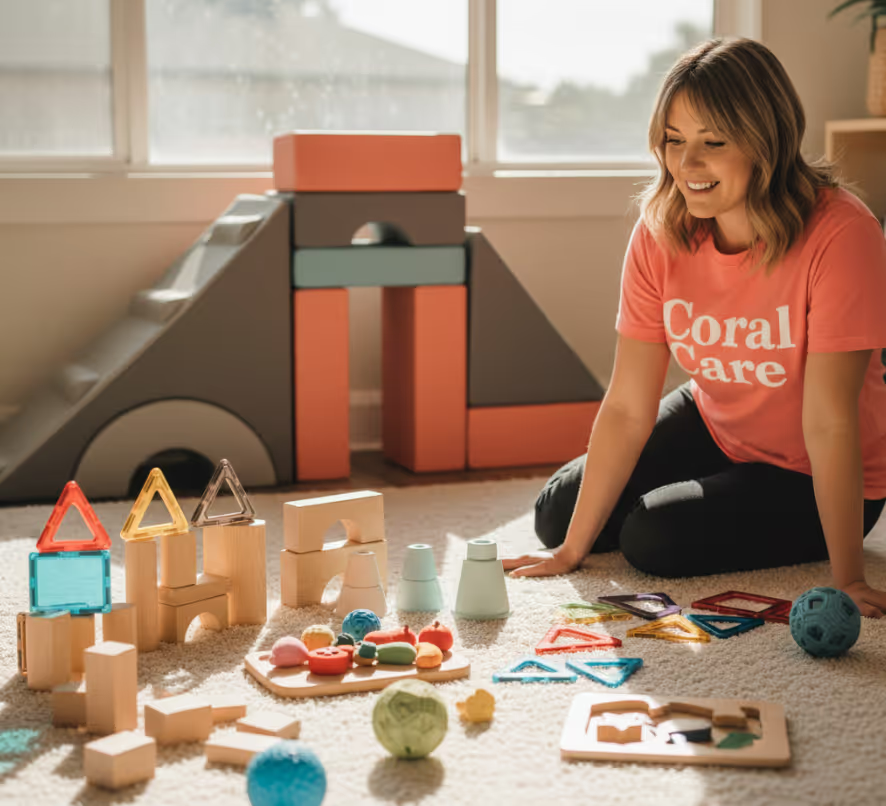
A young girl engages with her toys in a playroom, promoting skills through occupational therapy activities.

Coral Care content is reviewed and approved by our clinical professionals so you you know you're getting verified advice.

Find effective support for developmental delays, quickly.

Self-pay or insurance
In-person and at-home appointments
No waitlist
Find Care

Concerned about your child's development?

Our free screener offers guidance and connects you with the right providers to support your child's journey.

Take the Screener

If you're looking to improve daily life after an injury, manage a chronic condition, or navigate aging challenges, occupational therapy might be the answer. This article goes over the main advantages of occupational therapy, focusing on how it promotes independence and overall well-being.

Key takeaways

  • Occupational therapy enhances daily living skills and independence by focusing on self-care and instrumental activities through tailored interventions.
  • Therapists at Coral Care develop personalized treatment plans that address individual needs and goals, incorporating cognitive, physical, and mental health support.
  • Early intervention, caregiver training, and adaptive technology play crucial roles in promoting safety, independence, and overall well-being in patients.

Enhancing daily living skills

Occupational therapy plays a pivotal role in enhancing daily living skills, and empowering individuals to perform everyday tasks with greater ease and independence. Whether you're recovering from an injury, managing a chronic condition, or facing age-related challenges, occupational therapists work to help you master the vital living skills needed for day-to-day activities, as well as activities and passions that increase your quality of life.

The focus on improving the ability to perform daily tasks through tailored approaches is central to occupational therapy. Enhancing self-sufficiency and supporting individuals in managing daily tasks significantly improves the quality of life through occupational therapy. Let's delve deeper into how occupational therapy aids in self-care and instrumental activities.

Self-care tasks

Effectively managing self-care tasks is crucial for maintaining independence and quality of life. Occupational therapists guide individuals, particularly the elderly, in developing techniques to manage basic self-care tasks effectively. Encouraging the use of assistive devices and designing adaptive activities helps individuals feel a sense of purpose and accomplishment, significantly enhancing daily living.

Instrumental activities

Instrumental activities, such as managing finances, cooking, and cleaning, are crucial for independent living. Occupational therapy plays a vital role in supporting individuals to organize and complete these tasks, promoting better management of daily tasks. Improving capabilities in instrumental activities through occupational therapy significantly boosts independence and quality of life, which is ultimately the end goal of occupational therapy.

Improving physical abilities

Occupational therapy strengthens physical abilities, aiding in recovery and enhancing functionality. Improving basic and fine motor skills, strength, dexterity, and flexibility enhances everyday functions in occupational therapy, which helps patients work toward their unique goals. For example, tailored interventions such as cooking, stretching, and cognitive exercises, can help stroke patients regain everyday functioning and improve their participation in daily activities (Flint Rehab). No matter the challenge you are trying to overcome, a good occupational therapist will make a plan specifically for you that helps sharpen and strengthen the skills needed to achieve your goals.

Another example of therapists using OT strategies to improve physical abilities is to assist individuals recovering from joint replacement surgeries, focusing on pain management and restoring normal movement patterns. Regular evaluations in occupational therapy practices help modify treatment strategies to adapt to the patient's evolving needs. Below, we dive deeper and explore how occupational therapy enhances fine motor skills and muscle strength.

Fine motor skills

Fine motor skills are another essential skill for various daily activities, impacting overall independence and quality of life. Occupational therapists use targeted exercises to enhance the precision of hand movements, which are critical for tasks like writing and buttoning shirts. These exercises help individuals regain control over their daily activities, significantly improving their functionality and autonomy.

Muscle strength

Occupational therapy interventions aim to enhance muscle strength, supporting various physical tasks and improving overall functionality. These interventions focus on strategies that safely increase muscle power, assisting in routine physical tasks. While compensatory techniques allow movement despite strength loss, they encourage gradual improvement in muscle strength to prevent imbalances and pain.

Cognitive skills development

Cognitive skills are essential for effective decision-making and problem-solving in daily life, so occupational therapy aims to significantly enhance mental well-being by implementing relaxation techniques and mindfulness training. Engaging with occupational therapists helps individuals express feelings they may otherwise suppress, boosting self-esteem and confidence.

Therapists work on developing cognitive abilities, which are crucial for managing daily tasks and improving overall quality of life. Enhancing decision-making and problem-solving skills helps individuals navigate their daily activities more effectively through occupational therapy. Let's take a closer look at how occupational therapy aids in cognitive development, by looking closer at memory rehabilitation and stress management.

Stress management

Occupational therapy provides significant benefits for mental health by offering coping strategies and emotional support. Early intervention is crucial in addressing mental health issues, including stress and anxiety, and can prevent further decline. Techniques and activities designed to manage mental health challenges, such as mindfulness and relaxation exercises, are fundamental aspects of occupational therapy.

Adaptive equipment and home modifications

Adaptive equipment and home modifications play a crucial role in enhancing safety and independence for individuals facing physical and cognitive challenges. Occupational therapists recommend and implement various assistive devices to help individuals manage daily tasks more effectively. These modifications are tailored to meet specific needs, ensuring a safer and more functional living environment.

Occupational therapists also assess clients' needs and tailor home modifications that enhance safety, such as clutter reduction, improved lighting, and the installation of adaptive equipment. These modifications promote independent living and safety for elderly individuals, significantly improving their quality of life. Let's explore the use of assistive devices and specific home modifications in detail.

Assistive Devices

Assistive devices are recommended by occupational therapists to enhance independence in daily activities. Common items include handrails, shower stools, grabbers, and lever-handled faucets. These devices range from simple tools like jar openers to complex home modifications, all aimed at improving functionality and safety in daily tasks.

Home modifications

Home modifications reduce risks and enhance safety, particularly for elderly individuals. During home safety assessments, occupational therapists evaluate factors such as clutter, lighting, and the need for adaptive equipment. Specific modifications, like tub benches and grab bars in the bathroom, significantly reduce the risk of falls and promote independent living (American Occupational Therapy Association).

Mental health support

Addressing mental health concerns early can prevent serious issues and improve overall quality of life. Occupational therapy offers early identification of mental health challenges, leading to more effective treatment options. Social interactions in general, but especially with OTs, combat feelings of isolation and promote emotional health for elderly individuals.

Social participation is crucial, especially for older adults, to improve their mental and emotional well-being. Occupational therapy encourages seniors to engage in community activities, providing a sense of belonging and reducing loneliness (National Institutes of Health).

Recognize concerns early

Intervening early is key to successful occupational therapy, particularly in addressing mental health issues. Strategies such as recognizing stress triggers and developing coping mechanisms are crucial for enhancing mental well-being. Occupational therapists incorporate techniques aimed at reducing anxiety and promoting mental resilience in older adults.

Support for caregivers

Caregivers play a crucial role in the overall health and recovery of individuals receiving occupational therapy. Occupational therapists educate and work with caregivers to understand their role in the patient's care. Providing caregivers with the necessary training and resources can significantly impact patient outcomes and caregiver well-being.

Educating caregivers to understand limitations and disabilities is a crucial aspect of occupational therapists' support. Additionally, occupational therapy offers resources to help mitigate caregiver burnout, enhancing their overall support experience. Let's explore the importance of caregiver training and resources for respite and relief.

Caregiver training

Occupational therapists help caregivers understand specific cognitive changes in patients with conditions like Parkinson's Disease, such as visual hallucinations and decreased memory. Training caregivers to manage daily living tasks and navigate personal guilt and frustrations is essential for effective patient care. By supporting both patients and their support networks, occupational therapists help yield the best outcomes for everyone.

Respite and relief

Caregiver burnout is a significant concern, requiring adequate support and relief strategies. Occupational therapy provides caregivers with various resources to help mitigate burnout, such as stress management techniques and leisure activities. These resources enhance the overall support experience for both caregivers and patients.

Promoting a healthy lifestyle

Maintaining independence in daily tasks is crucial for all ages recovering from or managing health issues. Occupational therapy encourages lifestyle changes that promote overall well-being, integrating technology and support to enhance the ability to lead a healthier, more independent life. This holistic approach includes promoting physical and social activities that contribute to a healthy lifestyle.

Whether you are a child or an elderly adult, a mix of physical and social activities is crucial to better managing or recovering from any ailments. Let's delve into the importance of physical and social activities in promoting a healthy lifestyle.

Physical activity

Regular physical activity helps elderly individuals maintain mobility and manage chronic conditions. For seniors, engaging in physical exercise helps maintain muscle strength and prevents conditions related to inactivity.

Occupational therapy emphasizes integrating physical activity into daily routines, significantly improving the mobility and overall health of older adults through physical therapy and occupational therapy exercises.

Social activities

Social activities can significantly enhance the emotional well-being of most individuals, reducing feelings of isolation and depression. Social interactions foster a sense of community and belonging among seniors, which is crucial for maintaining mental health. Occupational therapists often incorporate social activities into therapy programs to enhance communication skills and as well as teach them how to independently navigate social situations.

Personalized treatment plans

Occupational therapists create customized treatment plans for patients to address their individual needs and goals. An initial assessment evaluates both physical and cognitive capabilities to tailor a plan that meets the individual's needs. These plans focus on achievable outcomes that align with the patient's lifestyle and desires, ensuring effective rehabilitation.

Effective communication between caregivers and occupational therapists is critical for adapting therapy plans based on the individual's changing needs. Regular reassessments ensure that treatment plans remain effective and relevant to the patient's evolving needs. Let's explore the importance of goal setting and frequent reassessments in personalized treatment plans.

Goal setting

Each patient receives a tailored treatment plan based on their unique needs and goals. Collaborating with patients to set realistic and achievable goals significantly enhances the effectiveness of occupational therapy treatment to treat patients. These personalized plans focus on functional tasks and self-care tasks, ensuring that patients can achieve their personal goals.

Frequent reassessments

Regular reassessments are essential for ensuring that treatment plans remain effective and relevant to the patient's evolving needs. These reassessments allow occupational therapists to modify treatment plans and strategies to better suit individual progress and challenges. The initial assessment process is critical as it lays the groundwork for setting benchmarks and identifying goals for future reassessments.

Benefits for specific conditions

Occupational therapy offers significant benefits of occupational therapy for specific conditions, such as stroke recovery and joint replacement rehabilitation. Therapists tailor interventions to meet the unique needs of patients, enhancing their independence and daily living skills. Supporting the development of routines that foster healthy living habits improves overall well-being through the occupational therapy program.

Selecting a qualified occupational therapist can significantly influence the success of therapy for elderly clients. Occupational therapy supports the development of routines that foster healthy living habits among children and adults, enhancing their quality of life. Let's explore the specific benefits of occupational therapy for stroke recovery, pediatric care, and joint replacement rehabilitation.

Pediatric care

Occupational therapy is essential to pediatric care by promoting children's independence and enhancing their participation in everyday activities. By addressing specific challenges—whether related to developmental delays, physical disabilities, or behavioral issues—occupational therapists create tailored strategies that foster confidence and competence. Moreover, OT supports social skills development and improves academic performance by facilitating better classroom engagement. Ultimately, the benefits of occupational therapy extend beyond skill acquisition, empowering children to thrive in their environments and enhancing their overall quality of life.

Using Coral Care for pediatric occupational therapy is beneficial because practitioners create an engaging and interactive environment for children in your home on your schedule. Moreover, there are no waitlists at Coral Care. Getting help for your child should never be a hassle, which is why Coral Care has created an accessible, holistic, and specialized experience to support children's therapeutic goals effectively. Get started with us today!

How to get started with occupational therapy

Getting started with occupational therapy typically begins with a referral, which can be initiated by physicians, caregivers, or even the patients themselves. However, talking to your primary care provider for a referral is usually the first step. In addition, before making an appointment, understanding the insurance coverage for occupational therapy can help in selecting the appropriate provider.

Finding a qualified occupational therapist, like those at Coral Care, is essential for effective treatment. To find the right provider, consider their qualifications, experience, and the specific needs of the patient. In addition, the initial assessment is crucial in determining important tasks and assessing the physical elements needed for a customized treatment plan. Let's explore how to find the right provider and the importance of the initial assessment.

Finding the right provider

Finding help for yourself or your loved one involves identifying a qualified occupational therapist. Look for therapists with the necessary certifications and experience to address your specific needs. Ensuring that the therapist is a good candidate involves evaluating their track record and patient feedback, which can significantly influence the success of therapy.

One clinic with exceptional reviews is Coral Care. Coral Care is a private practice that specializes in care for children, specifically those with learning disabilities or developmental delays. Providers come into your home on your schedule, to expedite care and ensure your child is getting the highest quality care - hassle-free. Get started today!

Initial assessment

The purpose of the initial assessment in occupational therapy is to determine important tasks and assess the physical elements needed. During the first session, there is a discussion of goals and limitations, which helps create a customized plan addressing personal goals. This assessment lays the foundation for effective and personalized treatment.

Summary

Occupational therapy offers a comprehensive approach to enhancing quality of life by improving daily living skills, physical abilities, and cognitive functions. Through personalized treatment plans and regular reassessments, occupational therapists ensure that each patient's unique needs are met, fostering independence and well-being.

From supporting stroke recovery to aiding joint replacement rehabilitation, the benefits of occupational therapy are vast and impactful. By integrating adaptive equipment and promoting a healthy lifestyle, occupational therapy helps individuals achieve their personal goals and maintain their independence. Consider exploring the advantages of occupational therapy at Coral Care for yourself or a loved one to experience its transformative effects.

Coral Care offers an alternative worth knowing about: licensed pediatric therapists who come directly to your home, so your child gets support in the environment where they spend most of their time. No clinic commute, no waiting room — just consistent, in-home care that fits your family's schedule.

Frequently Asked Questions

Is occupational therapy only for children with diagnosed disabilities?

No. OT supports a wide range of children — including those with developmental delays, sensory processing differences, fine motor challenges, attention difficulties, or emotional regulation struggles. A child doesn't need a formal diagnosis to benefit from an OT evaluation.

What's the difference between occupational therapy and physical therapy?

Physical therapy focuses on gross motor skills, strength, coordination, and mobility. Occupational therapy addresses daily living skills, fine motor skills, sensory processing, self-care tasks, and the cognitive and emotional skills needed to participate fully in everyday activities. The two often complement each other well.

Can OT help with sensory processing issues?

Yes. Sensory processing is a core area of OT practice. Occupational therapists help children understand their sensory needs, develop coping strategies, and build the regulation skills that allow them to engage more comfortably with the world around them.

How often does my child need OT sessions, and how long does therapy last?

Most children start with weekly sessions. Duration varies depending on the goals — some children meet their goals within a few months, while others benefit from ongoing support. Your therapist will set benchmarks and update the plan as your child progresses.

Frequently Asked Questions

How can caregivers benefit from occupational therapy?

Caregivers can greatly benefit from occupational therapy by receiving training to manage patient limitations, along with strategies and resources that help prevent burnout and improve their overall support experience. This approach enhances the quality of care provided while supporting the caregiver's well-being.

Why is intervening early important in occupational therapy?

Early access to care is vital in occupational therapy as it effectively addresses physical, cognitive, and mental health issues at an early stage, thereby preventing further decline and enhancing overall outcomes. By intervening early, individuals can achieve better long-term functioning and quality of life.

What types of assistive devices are commonly recommended by occupational therapists?

Occupational therapists commonly recommend assistive devices such as handrails, shower stools, grabbers, lever-handled faucets, grab bars, raised toilet seats, and adaptive kitchen tools to enhance safety and independence for individuals with mobility challenges. These tools are essential in creating a supportive living environment.

How does occupational therapy support stroke recovery?

Occupational therapy significantly enhances stroke recovery by evaluating individual motor, sensory, and cognitive abilities to create personalized rehabilitation plans. This approach aims to effectively retrain essential skills needed for daily activities, promoting greater independence and improved quality of life.

What is the primary goal of occupational therapy?

The primary goal of occupational therapy is to enhance individuals’ ability to engage in everyday activities independently, thereby improving their overall quality of life.

Related Blogs